Science
Climate Crisis Probably Weakened Glacier Behind Deadly Nepal Floods, Study Finds
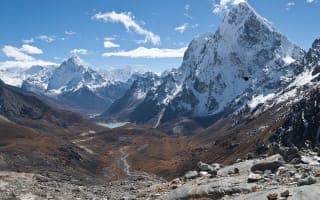
Climate breakdown probably weakened the glacier that collapsed and caused catastrophic floods killing more than 1,300 people in Nepal and Tibet last month, according to the first scientific study of the disaster, led by World Weather Attribution researchers at Imperial College London. A section of overhanging glacier and rock measuring roughly 200,000 square metres fell from Langtang Lirung mountain on August 26, sending 110 million cubic metres of snow and ice into the valley below and triggering flash floods that swept downriver at speeds exceeding 110 mph, leaving more than 5,000 people missing. The study found the region has warmed about 2 degrees Celsius since pre-industrial times, with July and August 2026 the warmest on record locally at 5 degrees above the 30-year average in the days before the collapse. Dr Friederike Otto said communities in Nepal are paying with their lives for a crisis driven by fossil fuel emissions thousands of miles away.
Science
EPA Repeals Power Plant Climate Rules as Zeldin Declares Days of Coal Destruction Over
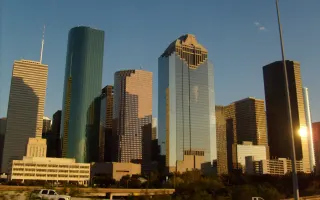
The Environmental Protection Agency has repealed the greenhouse gas limits that required American coal and natural gas power plants to cut their carbon dioxide emissions, in what Administrator Lee Zeldin called the largest deregulatory action in the history of the U.S. power sector. Announcing the change at a press conference in Houston on September 14, where the agency was hosting a G20 Energy Summit on energy policy, Zeldin declared that the days of working to destroy natural gas and coal were over. The repealed standards, finalized in 2024 under President Biden, had obligated existing coal plants and new gas plants to make significant emissions cuts starting in the 2030s. The rollback immediately drew lawsuits from more than a dozen environmental and health groups, and public health advocates warned of rising asthma emergencies. According to federal data, the power sector produces 31 percent of United States carbon emissions from fossil fuel burning, second only to transportation, and the agency itself expects coal production for power use to rise more than tenfold as a result of the change.
Science
EU to Create Climate Insurance Alliance as Von der Leyen Calls Summer of Extremes Summer of Truth
The European Union will create a "climate insurance alliance" to increase cover for extreme weather events, European Commission President Ursula von der Leyen announced in her state of the union address, describing the summer of 2026 as "the summer of truth." Her speech cited rivers such as the Danube drying up, 12 million tonnes of damaged crops, 660,000 hectares of land burnt and 35,000 additional deaths linked to this year's heatwaves. Only around 25% of catastrophe losses in Europe are covered by private insurance, leaving national budgets as "the insurer of last resort." The alliance will unite insurers, investors, risk modellers and public authorities to raise insurance uptake, and the Commission will announce a new climate resilience framework next month.

Science
Earth's Hottest August on Record Pushes 2026 Toward Warmest Year Ever
August 2026 was the warmest August in the 1850-2026 record, with the global surface temperature running 1.32 degrees Celsius above the 20th-century average and eclipsing the previous tied records from 2023 and 2024 by 0.08 degrees Celsius, NOAA's National Centers for Environmental Information reported on 10 September. Global sea surface temperatures reached an all-time high, the June-August season was the hottest in NOAA's 177-year record at 1.21 degrees above average, and North America and Africa both recorded their warmest August. A record 13.2 percent of the planet's surface set August heat records, while 364 major weather stations set all-time highs. Climate scientist Zeke Hausfather now puts the chance that 2026 becomes the warmest year on record at roughly 75 percent, as a near-super El Nino with waters 1.8 degrees above average continues to intensify.

Science
Arctic Sea Ice Reaches Record Summer Low as Scientists Warn of Accelerating Feedback Loops
Arctic sea ice extent reached a record summer minimum of 3.42 million square kilometers on September 1, 2026, surpassing the previous record low set in 2020 by 8 percent. The National Snow and Ice Data Center reported that ice-free conditions were observed for the first time along the entire Northern Sea Route. Climate scientists at the Potsdam Institute warned that accelerating ice loss triggers feedback loops that could push the Arctic toward ice-free summers by 2035, a decade earlier than previous projections. Dr. Dirk Notz, sea ice researcher at the Max Planck Institute, stated that 2026 represents a potential tipping point in Arctic climate systems.

Science
Great Barrier Reef Suffers Largest Annual Coral Decline on Record After Mass Bleaching
Hard coral cover on the Great Barrier Reef has fallen at record rates following the largest mass bleaching event ever recorded there, according to the Australian Institute of Marine Science's annual survey published on Aug. 6. Coral cover in the southern reef dropped 30 percent compared with 2024, the steepest annual decline since monitoring began, while the northern region lost about 25 percent and the central region 14 percent. Scientists blame climate-driven heat stress compounded by cyclones, flooding and outbreaks of crown-of-thorns starfish. Despite the losses, the reef sits near its long-term average cover, and the institute says the ecosystem still holds more coral than most reefs worldwide.
Science
Global Climate Summit Opens in Geneva With Historic Funding Pledge on the Table
Over 150 world leaders from across the globe have arrived in Geneva, Switzerland, for a critical emergency climate summit that could reshape international environmental policy for the next decade. The gathering comes at a time when scientists warn that the window for meaningful action is rapidly closing, with global temperatures continuing to rise at an alarming rate that exceeds previous projections and threatens vulnerable communities worldwide. Island nations facing existential threats from rising sea levels are demanding urgent and binding commitments from the world biggest emitters, while developing countries seek hundreds of billions in climate finance to support adaptation and clean energy transitions across their regions.