EPA Repeals Power Plant Climate Rules as Zeldin Declares Days of Coal Destruction Over
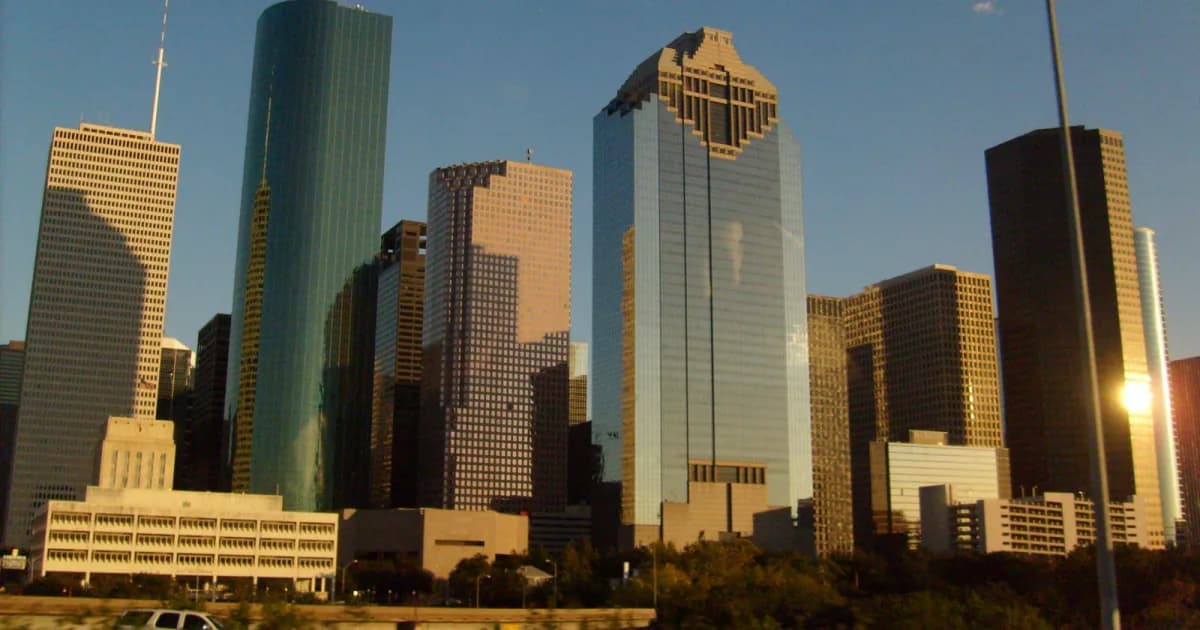
The Environmental Protection Agency repealed the rules limiting greenhouse gas emissions from American coal and natural gas fired power plants on September 14, in the most sweeping deregulatory action ever taken against the United States power sector. EPA Administrator Lee Zeldin announced the change at a press conference in Houston, where the agency was hosting a G20 Energy Summit on energy policy, and framed the rollback as the fulfillment of a political promise.
"The days of Biden and Obama working to destroy natural gas and coal are over," Zeldin said, according to NPR. The administrator said the EPA was separately proposing to rescind all remaining greenhouse gas emissions standards for power plants, adding for emphasis: "All of them."
## What the Repealed Rules Required
The repealed standards were finalized under the Biden administration in 2024 and required existing coal plants and new natural gas plants to significantly cut their carbon dioxide emissions starting in the 2030s. The new rule strikes the majority of the 2024 Carbon Pollution Standards, which the EPA said violated the Clean Air Act.
People familiar with the proposal told the Associated Press it could also prevent future administrations from regulating greenhouse gas emissions from power plants at all, effectively locking in the deregulation beyond the current term.
The scale of the sector affected is substantial. The EPA's own 2023 data showed the power sector produced 31 percent of the carbon emissions from burning fossil fuels in the United States, the second-highest share of any industry after transportation. The agency said coal production for power sector use is expected to increase by more than 10 times as a result of the rule change.
## Lawsuits and Health Warnings Follow Immediately
More than a dozen environmental and health groups have sued Zeldin and the EPA over the rollback. "Tearing down our national protections against climate pollution from power plants will have enormous costs for the health, safety and well-being of families across the country," said Vickie Patton, general counsel for the Environmental Defense Fund. "Americans everywhere are already suffering from record-breaking heat, more dangerous floods and storms, and skyrocketing insurance costs."
Gudrun Thompson, a senior attorney at the Southern Environmental Law Center, said the rules were important not just for the climate but also to protect public health from the dangers of local air pollution.
An Associated Press examination found the targeted rules could prevent an estimated 30,000 deaths and save 275 billion dollars each year they remain in effect. Michael Gerrard, a law professor at Columbia University and director of its Sabin Center for Climate Change Law, told NPR that 2026 is "shaping up to be the warmest year in recorded history, and we ain't seen nothing yet."
## Local Consequences in Communities Far From Washington
The rollback has immediate local consequences. In Arizona's Pima County, which received a failing grade this year from the American Lung Association for ozone pollution, the announcement coincided with the start of the year's peak-asthma week, the time of year that statistically sees the highest number of emergency room visits for asthma attacks.
Zealan Hoover, a former senior EPA adviser under the Biden administration, said the rule "does a very good job at counting the dollars it saves industry and compliance costs, but is much less interested in counting how many asthma attacks and even deaths will be caused by the increased pollution."
Pima County has no coal-fired power plants, but its two major gas-fired plants would no longer be subject to federal emissions limits under the new rule. Hoover said Arizona is planning to build a large number of new power plants to serve data centers and other electricity demand, and that "there's more than a million Arizonans who are vulnerable to air pollution." Arizona is home to three of the nation's 100 most polluting power plants, located in Apache, Maricopa and Navajo counties.
## A Sector Rewritten by One Rule
The repeal reverses the central climate policy applied to American power generation during the previous administration, removing the federal ceiling on carbon output from the plants that supply roughly a third of the nation's fossil fuel emissions. With the separate proposal to rescind every remaining greenhouse gas standard for the sector still pending, the agency is moving to ensure the reversal extends across the entire regulatory framework rather than a single rule.
The litigation filed by the coalition of environmental and health groups now moves forward against an agency that has simultaneously announced its expectation that coal production for power will multiply more than tenfold. The outcome of those cases will determine whether the 30,000 deaths and 275 billion dollars in annual savings that the Associated Press examination attributed to the rules are preserved or lost, and whether future administrations retain any authority to limit power plant climate pollution at all.
Discussion
Recommended for you
More science
Climate
EU to Create Climate Insurance Alliance as Von der Leyen Calls Summer of Extremes Summer of Truth
9/16/2026
Climate
Earth's Hottest August on Record Pushes 2026 Toward Warmest Year Ever
9/16/2026
Climate
Arctic Sea Ice Reaches Record Summer Low as Scientists Warn of Accelerating Feedback Loops
9/2/2026
Climate