EU to Create Climate Insurance Alliance as Von der Leyen Calls Summer of Extremes Summer of Truth
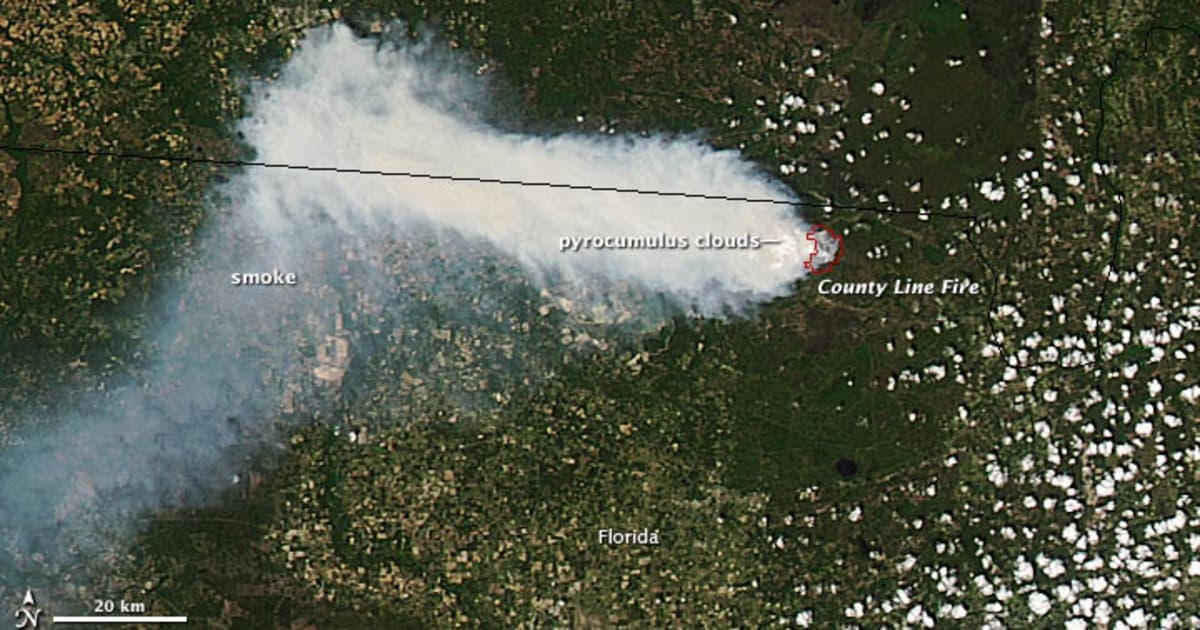
The European Union will create a "climate insurance alliance" to increase cover for extreme weather events, European Commission President Ursula von der Leyen announced on Wednesday in her state of the union address, after a summer of droughts, wildfires and deadly heatwaves across the continent.
"This summer was the summer of truth," von der Leyen said, highlighting Europe's increased vulnerability to climate-related extreme weather. Her speech offered examples of more frequent, severe weather: rivers such as the Danube drying up, 12 million tonnes of damaged crops, 660,000 hectares of land burnt and 35,000 additional deaths linked to the 2026 heat waves.
"Almost no part of our continent was spared," she warned, urging European lawmakers to stay the course on the bloc's climate targets.
## The Widening Insurance Protection Gap
The alliance announcement came alongside stark figures on how little of Europe's climate damage is insured. "Today, only around 25% of catastrophe losses in Europe are covered by private insurance. This means that, far too often, national budgets become the insurer of last resort," von der Leyen said.
The Commission will set up the Climate Insurance Alliance consisting of insurers, investors, risk modellers, public authorities and insurance takers, to work on increasing insurance uptake across the bloc.
The direction of travel is indicated by earlier research from the European Insurance and Occupational Pensions Authority (EIOPA) and the European Central Bank, which found that between 1980 and 2024, roughly a quarter of losses linked to extreme weather events were insured. In 2024 the two institutions proposed pooling private risks through an EU-wide public-private reinsurance scheme funded by risk-based premiums.
"By pooling private risks and perils across the EU, this scheme would exploit economies of scale and diversify the coverage of high risks at the European level," reads the 2024 joint ECB-EIOPA research document.
## Europe, the Fastest-Warming Continent
The widening protection gap reflects a global trend. Analysis from Munich Re estimates global losses linked to natural disasters at $112 billion, of which 60% were uninsured.
Swiss Re research notes that Europe is the world's fastest-warming continent, warming at twice the pace of the global average. Heatwaves across Western Europe in May and June this year were among the hottest on record, and a recent World Weather Attribution report reckons fossil fuel emissions were a key driver.
Von der Leyen echoed those concerns directly in her address.
"Science is clear. Europe is warming at double the global rate. Of course, the transition is complex. And we will need to adjust and learn along the way. But there is no doubt: Europe can, must and will stay the course on its climate targets," she said.
## Precedents the Alliance Can Build On
Earlier this year, the European Stability Mechanism and EIOPA proposed a mechanism combining a Europe-wide natural catastrophe insurance pool with a loan-based backstop for extreme tail events exceeding the pool's capacity. Such a pool could seek investment from long-term asset owners such as pension funds and insurers, taking equity stakes or funding through fixed-income instruments similar to catastrophe bonds.
The incoming alliance will therefore have precedents to build on, though von der Leyen offered little operational detail on Wednesday about membership, funding levels or timelines. What is clear is the intended composition: insurers and investors will sit alongside risk modellers, public authorities and insurance takers, an acknowledgement that closing the protection gap requires both market capacity and demand-side measures that make cover affordable for households, farms and businesses.
For national treasuries, the stakes are direct. With the bulk of Europe's economic losses from flooding, wildfire and drought currently uninsured, the cost of each disaster increasingly lands on public budgets, compounding the pressure on fiscal policy that economists have warned about as climate damage accelerates.
## What Comes Next
A new climate resilience framework, von der Leyen affirmed, will be announced by the European Commission next month, and is expected to flesh out how the alliance will operate alongside EU adaptation funding and the bloc's wider climate targets.
Set against the backdrop of record-breaking heatwaves and burgeoning catastrophe losses, the alliance faces a tall task: closing a climate insurance gap in the world's fastest-warming continent before the next summer of extremes arrives.
The speech framed the insurance initiative as one pillar of a broader solidarity agenda, with the Commission arguing that no single EU country can handle alone the growing bill from a warming continent, a message aimed at both national capitals and the private markets whose pricing decisions increasingly determine who recovers from disasters and who does not.
Whether the alliance closes the gap will be judged against the numbers the president herself laid out: a quarter of losses covered, 660,000 hectares burnt, and a continent warming at twice the global pace.
Analysts will also watch whether the alliance adopts the pooling mechanisms already on the table, since the ECB-EIOPA work argued that European-level diversification is the only route to covering risks that national markets can no longer absorb on their own.
Discussion
Recommended for you
More science
Climate
Earth's Hottest August on Record Pushes 2026 Toward Warmest Year Ever
9/16/2026
Climate
Arctic Sea Ice Reaches Record Summer Low as Scientists Warn of Accelerating Feedback Loops
9/2/2026
Climate
Great Barrier Reef Suffers Largest Annual Coral Decline on Record After Mass Bleaching
9/2/2026
Climate