iOS 27 Arrives With Siri AI in Beta as Apple Rolls Out Its Biggest Assistant Overhaul Yet
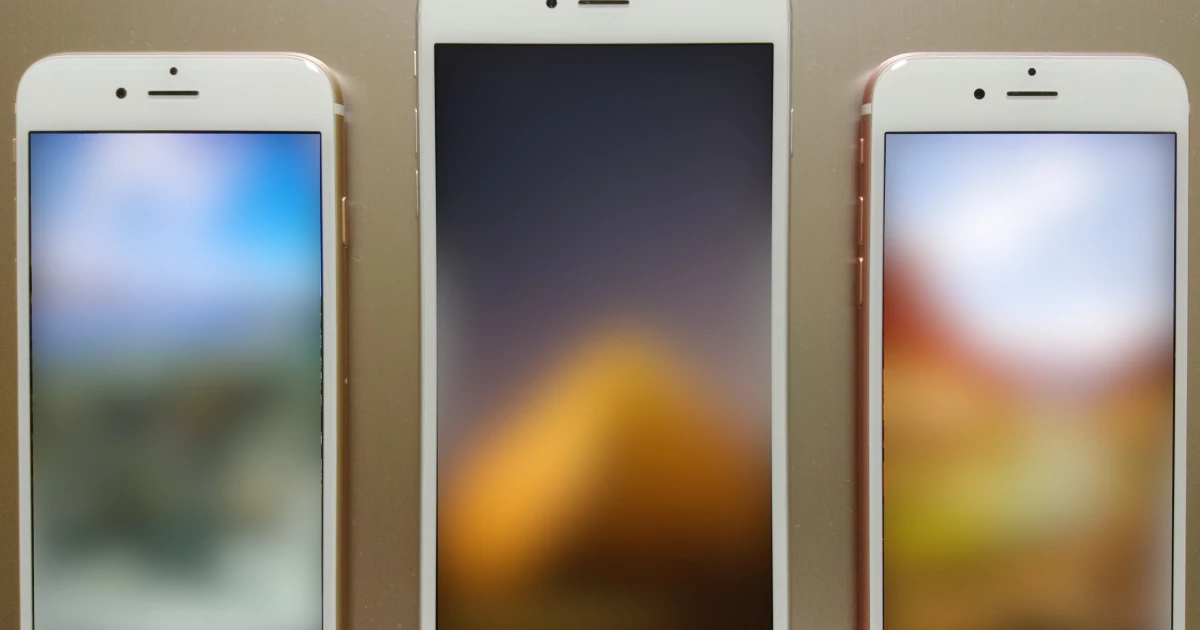
Apple has released iOS 27, the update that finally delivers Siri AI to compatible iPhones, transforming the company's decade-old assistant into a system capable of understanding personal context from texts, emails and calendar events and of taking actions on a user's behalf. The example Apple has shown: Siri pulling appointment details out of a text message and adding them to the calendar, no manual entry required.
The update became available on September 14 across the iPhone lineup and arrived alongside the rest of Apple's annual software wave: macOS 27, iPadOS 27, watchOS 27 and visionOS 27, with the Siri AI integration running through all of them.
## A Chatbot Apple Still Calls A Beta
For all its new capability, Apple itself labels Siri AI a beta, an admission that the assistant remains fully capable of getting things wrong. Users updating their devices will find a dedicated Siri app built to handle the new chatbot-style prompts or to adjust Siri settings, a sign of how thoroughly the assistant is being rebuilt around conversational AI.
The stakes of that label are higher than in a conventional beta because the assistant now acts rather than merely answers. A helper that reads messages, emails and calendars and then moves information between them can turn a small misreading into a wrong calendar entry or an action taken on a user's behalf, and Apple's own framing is effectively a request for public patience while the system learns from real-world use.
Voice customization is where the hardware line sits. Owners of an iPhone 17, an M3 MacBook Air or MacBook Pro, or an M4 iPad or later can change Siri's pitch, speed and accent; older devices get the new intelligence without the vocal tailoring.
Language support is also staged. Siri AI is rolling out in English first, with French, Japanese, Korean, Portuguese and Spanish to follow in October. Users who do not see the update immediately are advised to wait a few hours as it propagates through device settings.
## Beyond Siri: Photos, Liquid Glass And Safety
The release carries several other Apple Intelligence additions, including more refined photo editing tools with a capability called spatial reframing, which allows the perspective of a photo to be altered after it is taken. The trick relies on AI image generation to fill in missing pixels, underscoring how generative models are now embedded in ordinary editing workflows.
Not everything in iOS 27 is AI. Apple has responded to months of criticism of its Liquid Glass visual language with an opacity slider that lets users decrease the transparency of app icons and interface elements. New child safety features let parents restrict which websites children can visit and limit screen time across specific apps, and the update bundles roughly 120 security patches, a reminder that the annual release doubles as the year's most important security refresh.
Each platform gains its own features. macOS Golden Gate adds the ability to create Shortcuts automations through a chatbot interface, effectively letting users describe a workflow and have the system build it. Apple Watch units receive the Workout Buddy AI training companion, with full capability reserved for the Apple Watch Series 9, SE 3 or Ultra 2 and newer. Vision Pro gains the ability to set personal panoramas as spatial scenes the wearer can reside within.
The breadth of the rollout means the update touches nearly every screen a user owns at once. An iPhone owner who installs iOS 27 can end the week with a rebuilt assistant on their phone, a chatbot-built automation on their Mac, a new training companion on their watch and a fresh spatial scene on their headset, a coordinated refresh spanning Apple's entire device line.
## The Assistant Race, One Year Late
The arrival of Siri AI closes a chapter Apple has spent two years writing and rewriting, after delays pushed the assistant well behind rival voice and chat products. The bet is that on-device personal context, reading across a user's messages and schedules with Apple's privacy positioning, will differentiate Siri from cloud-first assistants.
The timing also feeds Apple's hardware cycle. The company's next wave of devices, including the iPhone 18 Pro, the Apple Watch Series 12 and an M6 Mac mini, rolls out over the next few weeks, and the new software is built to showcase the newest hardware, giving the assistant overhaul a commercial tailwind that pure software releases rarely enjoy.
The beta label manages expectations while the rollout expands: English speakers first, four more languages in October, and hardware-gated voice controls that give Apple's newest chips another selling point. For users on compatible devices, the update prompt now waiting in settings is the moment Siri stops being a punchline and starts being a test, one Apple will be judged on every time the assistant misunderstands what it was told to do.
Discussion
Recommended for you
More technology
Software
Anthropic Folds Cowork Into Claude and Launches Docs and Slides Editors
9/17/2026
Software
Swift 6.4 Unifies Building Across Linux, macOS and Windows as SwiftPM Makes Swift Build the Default
9/17/2026
Software
AI Coding Startup Factory Raises $200 Million at $5 Billion Valuation to Automate Software Development
9/16/2026
Software