
Business
Ten Year Treasury Yield Hits 5.04 Percent Highest Since 2007 as Bond Sell-off Deepens
The yield on the benchmark 10-year US Treasury note rose to 5.04 percent in early trading on Tuesday, its highest level since July 2007, signaling higher borrowing costs across the American economy as a global bond sell-off deepened. Higher oil prices, persistent inflation and expectations of further Federal Reserve hikes have driven the surge, which has persisted despite interventions by Treasury Secretary Scott Bessent to contain long-dated yields. Traders priced a 92 percent probability of a quarter-point Fed increase, which the central bank delivered on Wednesday. Barclays strategists warned the 5 percent threshold marks a historically important inflection point beyond which rates have typically become a more persistent headwind for equities, while BlackRock maintained its pro-risk stance.

Business
Amazon Offers Employees 20 Percent Grocery Discount as SNAP Reliance Data Fuels Wage Scrutiny
Amazon has begun offering its US employees discounts of up to 20 percent on groceries as food costs climb, a benefit that arrives while the retailer faces political scrutiny over the number of its workers who rely on federal food assistance. A Government Accountability Office report released in July found that Amazon workers enrolled in the Supplemental Nutrition Assistance Program had nearly tripled since 2020, reaching 12,346 in the eleven states studied, even as the company prepared to spend roughly 200 billion dollars on capital projects this year. Senator Bernie Sanders called the findings taxpayer subsidies for starvation wages, while Amazon said eligibility reflects part-time options and pointed to a one billion dollar pay investment lifting average base rates above 23 dollars an hour.

Business
Jobless Claims Fall to 196,000 as Mortgage Rates Near 7 Percent Squeeze American Homebuyers
New claims for US unemployment benefits unexpectedly fell 10,000 to a seasonally adjusted 196,000 last week, the lowest since mid-July, the Labor Department said Thursday, even as a separate report showed single-family building permits dropping 1.8 percent in August and the 30-year mortgage rate climbing to 6.95 percent, the highest since January 2025. The four-week average of claims fell to 203,250, pointing to labor market stability that gives the Federal Reserve room to fight inflation after its first rate hike since 2023. Economists cautioned the drop was likely exaggerated by Labor Day seasonal adjustments. Meanwhile the National Association of Home Builders said builder sentiment slumped to a one-year low on rising rates, labor shortages and tariff-driven material costs.

Business
Indonesia Turns to Veteran Technocrat Suahasil Nazara as Third Finance Minister in Two Years
Indonesia has turned to veteran technocrat Suahasil Nazara as its third finance minister in two years after President Prabowo Subianto fired Purbaya Yudhi Sadewa on Monday and swore in his deputy within hours. The reshuffle, which follows the abrupt resignation of Bank Indonesia Governor Perry Warjiyo in July, puts the spotlight on investor fears over how much control Prabowo wields over fiscal and monetary policy in Southeast Asia's largest economy. The benchmark stock index has lost more than 25 percent this year and the rupiah hit record lows in June before a recent pivot toward fiscal discipline stabilized sentiment. Analysts at the Economist Intelligence Unit, Capital Economics and DBS say the 2027 budget will reveal whether the shift is genuine.

Business
NYC Pension Funds Commit 300 Million Dollars to Union-Built Housing in Record Allocation
New York City Comptroller Mark Levine and the trustees of four of the city's public pension funds announced Thursday a historic 300 million dollar investment with the AFL-CIO Housing Investment Trust, the fund's largest-ever allocation, as the latest step in the Comptroller's commitment to invest 4 billion dollars over four years in housing construction and preservation across New York City. The four pension funds collectively become the HIT's largest investor, strengthening a 25-year partnership through which the city has invested 583 million dollars since 2002 while the fund has created or preserved more than 40,000 housing units. The program's current pipeline is expected to create or preserve approximately 10,000 units with a combined total development cost of 4.1 billion dollars. Levine said the HIT has a proven record of generating strong returns, jobs and homes all at once, while fund CEO Chang Suh said the investment demonstrates that competitive returns can be achieved while improving communities.

Business
Clearlake Capital Takes Full Control of Chelsea as Walter and Boehly Sell Stakes
Clearlake Capital is taking full control of Chelsea Football Club after Los Angeles Dodgers owner Mark Walter and club chairman Todd Boehly agreed to sell their minority stakes to the private equity firm, Chelsea said in a statement Wednesday night. Clearlake, which already held a 61.5 percent stake in the Premier League club, is acquiring the roughly 12.8 percent held by each of Boehly and Walter, and the Financial Times reported the two men will receive a combined 950 million pounds, or 1.27 billion dollars, in a deal valuing Chelsea at 5 billion pounds. Boehly departs as chairman after Clearlake's co-founders Behdad Eghbali and Jose Feliciano thanked him for his contribution, while Swiss billionaire Hansjorg Wyss will remain an important stakeholder. The sale comes weeks after Walter agreed to sell his controlling stake in the Los Angeles Lakers, a deal that focused attention on federal criminal and SEC investigations into roughly 21 billion dollars in investments by two insurers he controls.
Business
Iran War Bill Reaches 1,760 Dollars per US Household as Savings Rate Craters
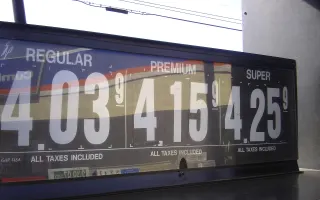
American households have absorbed a total financial hit of around 1,760 dollars each since the US-Iran conflict began, according to a Moody's Analytics analysis through September 11, with higher energy costs accounting for 930 dollars, elevated interest rates adding 425 dollars and increased military spending contributing 405 dollars. Crude oil topped 105 dollars per barrel on Tuesday for its highest close since mid-May, gasoline exceeded 4.32 dollars per gallon — up 36 percent from a year ago — and the 10-year Treasury yield climbed to its highest level since 2007, pushing 30-year mortgage rates above 7 percent. Moody's chief economist Mark Zandi said consumers are under substantial financial pressure, and economists including Luke Tilley of M&T Bank warn that with savings rates at levels rarely seen since the Global Financial Crisis, something has got to give. US consumers have collectively spent more than 121 billion dollars extra on energy since the war began.

Business
Diesel Hits Record 6.31 Dollars as J.B. Hunt Shares Plunge on Fuel Cost Alarm
Diesel prices in the United States surged to an all-time high of about 6.31 dollars per gallon on Wednesday, up more than 70 percent from a year ago, as analysts attribute the record run to the supply shock from the US war with Iran. The surge sent shares of trucking giant J.B. Hunt down more than 13 percent, one of the stock's worst days since it went public in 1983, after finance chief Brad Delco warned of a 5 to 10 percent earnings drop from the second to third quarter and described some of the most radical fuel-price swings the industry has ever seen. The Dow Jones Transportation Average closed nearly 3 percent lower, with GasBuddy warning the national average could eclipse 6.50 dollars within days and California already above 8 dollars. The transportation sector added 1.9 trillion dollars to the US economy in 2024, and executives warned the fuel squeeze will ultimately become a drag on American consumers.

Business
CLARITY Act Fails Senate Cloture Vote as Crypto Market Structure Push Turns to Lame-Duck Hail Mary
The CLARITY Act, the sweeping crypto market structure bill, failed to clear a Senate cloture vote on September 15, falling short of the 60 votes needed to advance, though a motion to reconsider by Senator Thom Tillis keeps a procedural door open. Prediction markets now put the odds of passage before January 2027 at just 8 percent, yet advocates including Digital Sovereignty Alliance managing director Adrian Wall say senators from both parties are weighing a long-shot revival in the post-election lame-duck session. The bill, H.R. 3633, would settle whether digital assets fall under securities or commodities law, the clarity the industry has sought for years.
Business
S&P Global Agrees to Acquire OpenZeppelin in Landmark Deal to Secure the Future of Onchain Finance
S&P Global has agreed to acquire OpenZeppelin, the blockchain security firm whose open-source smart contract library underpins more than 37 trillion dollars in value transferred, including most of the largest stablecoins and tokenized funds. The deal, announced Thursday with financial terms undisclosed, extends the ratings giant's digital asset strategy into onchain technology-risk assessment as capital markets move onchain. OpenZeppelin will keep operating as a standalone unit under CEO Demian Brener, who reports to ratings president Yann Le Pallec, while S&P Global's brand and global distribution accelerate the security firm's reach into traditional finance institutions entering digital asset markets.
Business
Thousands of Barclays Staff Revolt Over Return-to-Office Mandate as Union Demands Travel Compensation
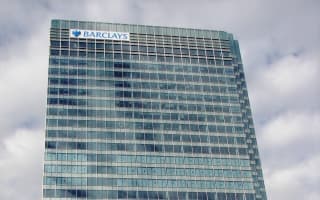
Barclays is facing a staff revolt over plans to force employees back into the office at least three days a week from October, with thousands signing an open letter demanding travel-cost payouts and an exemption for workers living more than 40 minutes away. Unite, which represents nearly 80 percent of the bank's 45,000 UK staff, says the figure keeps rising and will confront management in the coming days, arguing Barclays is fixing a problem that does not exist while most of the sector embraces flexibility. The bank defends the mandate as essential for collaboration, echoing a post-pandemic hardening across banking led by JP Morgan's apprenticeship philosophy.

Business
Bank of England Holds Rates at 3.75 Percent but Warns Middle East War Could Force Future Rises
The Bank of England has kept interest rates on hold at 3.75 percent while warning that a continuation of the Middle East fighting could force it to raise borrowing costs, as war-driven energy inflation threatens to entrench itself in the British economy. In a surprise move, the Bank also announced plans to sell 146 billion pounds of government bonds back to the Treasury at about 20 billion pounds a year until 2034 to complete its quantitative tightening programme without destabilising the gilt market. Governor Andrew Bailey said the longer volatility persists, the more likely the Bank will need to act, with traders now pricing a quarter-point rise as early as November.