Global Climate Summit Opens in Geneva With Historic Funding Pledge on the Table
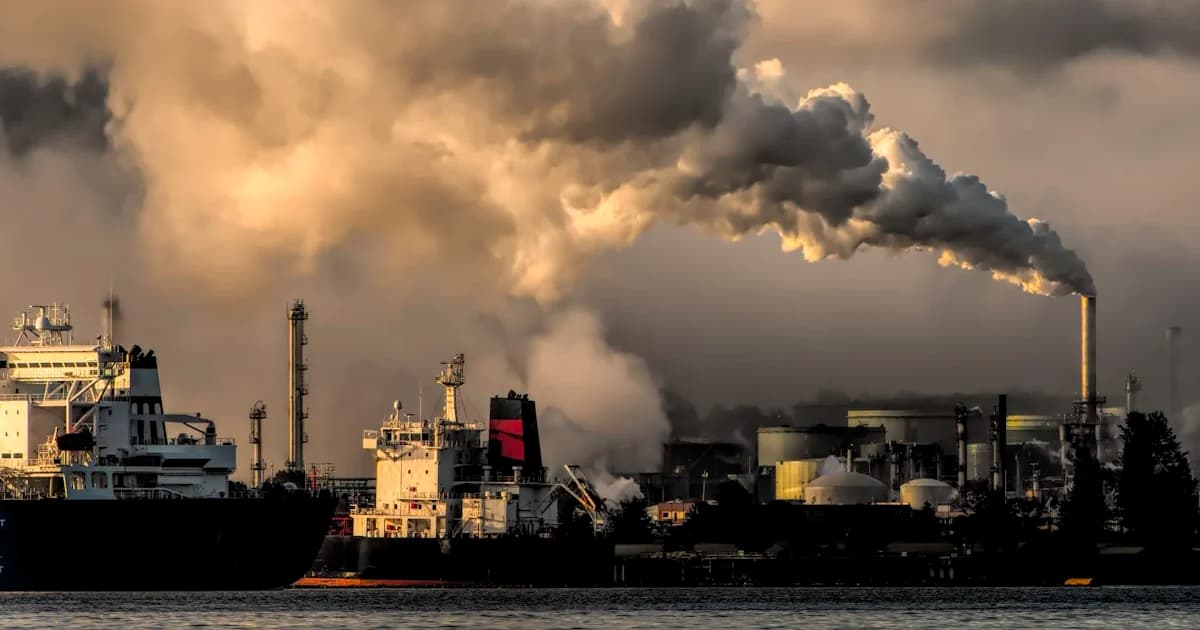
In a significant diplomatic gathering, world leaders from over 150 countries have converged in Geneva, Switzerland, for an emergency Global Climate Action Summit. The three-day event, which represents one of the most important environmental meetings in recent history, aims to accelerate international commitments to combat climate change and establish new funding mechanisms for developing nations facing unprecedented environmental challenges across multiple continents.
The summit focuses on three critical areas that could reshape the global approach to climate action in the years ahead. First, countries are expected to announce more aggressive carbon reduction goals for the next decade. Current pledges fall significantly short of limiting global warming to 1.5 degrees Celsius above pre-industrial levels, and scientists have warned repeatedly that without deeper and faster cuts, catastrophic tipping points could be reached within years rather than decades.
Second, the summit addresses the long-standing and contentious issue of climate finance. Developing nations have long argued that wealthy countries, responsible for the majority of historical greenhouse gas emissions, must provide substantial financial support for adaptation and mitigation efforts in vulnerable regions. New funding commitments totaling hundreds of billions of dollars are reportedly on the table, though negotiations remain difficult as donor nations balance domestic priorities with international obligations.
Third, technology transfer mechanisms are being actively negotiated to help developing economies leapfrog fossil fuel dependence entirely. This includes sharing renewable energy technologies, carbon capture and storage systems, and sustainable agricultural practices that could help communities adapt to changing conditions while reducing their own carbon footprints significantly.
The urgency of this gathering cannot be overstated by any measure. Recent scientific reports from leading research institutions have shown that global temperatures are rising faster than previously projected by climate models. Arctic ice loss has accelerated dramatically, ocean temperatures have reached record highs across multiple basins, and extreme weather events including hurricanes, droughts, floods, and wildfires are becoming more frequent and severe across every inhabited continent on Earth.
Island nations facing existential threats from rising sea levels have pushed for the strongest possible language and commitments in any declaration that emerges from the summit. Their representatives have called the Geneva gathering a last chance to prevent irreversible damage to their homelands, homes, and cultures that have existed for generations in some of the most beautiful and vulnerable places on Earth.
The summit is expected to conclude with a joint declaration that participating nations will sign. Unlike previous climate agreements that lacked enforcement mechanisms, this declaration reportedly includes binding provisions and regular review periods designed to hold countries accountable for their pledges and promises in a transparent and measurable way.
Environmental groups and climate activists from around the world have cautiously welcomed the summit while stressing that commitments must translate into concrete action on the ground. The real test, they say, will be whether nations follow through on their promises in the months and years ahead, rather than allowing political and economic pressures to dilute their resolve. Millions of people worldwide are watching Geneva closely, hoping that their leaders will finally match the scale of the crisis with equally ambitious and timely responses.
Discussion
Recommended for you
More science
Climate
Arctic Sea Ice Reaches Record Summer Low as Scientists Warn of Accelerating Feedback Loops
9/2/2026
Climate
Arctic Sea Ice Reaches Record Summer Low as Scientists Warn of Accelerating Feedback Loops
9/2/2026
Research
Loss of Kelp Forests Reverberates Down to Microbial Level in Ocean Ecosystems
9/2/2026
Health