
Business
Jobless Claims Fall to 196,000 as Mortgage Rates Near 7 Percent Squeeze American Homebuyers
New claims for US unemployment benefits unexpectedly fell 10,000 to a seasonally adjusted 196,000 last week, the lowest since mid-July, the Labor Department said Thursday, even as a separate report showed single-family building permits dropping 1.8 percent in August and the 30-year mortgage rate climbing to 6.95 percent, the highest since January 2025. The four-week average of claims fell to 203,250, pointing to labor market stability that gives the Federal Reserve room to fight inflation after its first rate hike since 2023. Economists cautioned the drop was likely exaggerated by Labor Day seasonal adjustments. Meanwhile the National Association of Home Builders said builder sentiment slumped to a one-year low on rising rates, labor shortages and tariff-driven material costs.
Business
Iran War Bill Reaches 1,760 Dollars per US Household as Savings Rate Craters
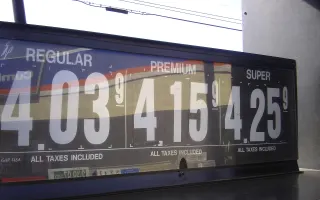
American households have absorbed a total financial hit of around 1,760 dollars each since the US-Iran conflict began, according to a Moody's Analytics analysis through September 11, with higher energy costs accounting for 930 dollars, elevated interest rates adding 425 dollars and increased military spending contributing 405 dollars. Crude oil topped 105 dollars per barrel on Tuesday for its highest close since mid-May, gasoline exceeded 4.32 dollars per gallon — up 36 percent from a year ago — and the 10-year Treasury yield climbed to its highest level since 2007, pushing 30-year mortgage rates above 7 percent. Moody's chief economist Mark Zandi said consumers are under substantial financial pressure, and economists including Luke Tilley of M&T Bank warn that with savings rates at levels rarely seen since the Global Financial Crisis, something has got to give. US consumers have collectively spent more than 121 billion dollars extra on energy since the war began.
Business
Thousands of Barclays Staff Revolt Over Return-to-Office Mandate as Union Demands Travel Compensation
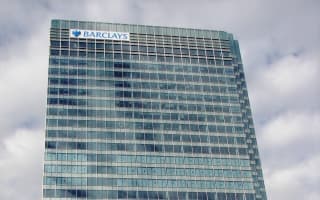
Barclays is facing a staff revolt over plans to force employees back into the office at least three days a week from October, with thousands signing an open letter demanding travel-cost payouts and an exemption for workers living more than 40 minutes away. Unite, which represents nearly 80 percent of the bank's 45,000 UK staff, says the figure keeps rising and will confront management in the coming days, arguing Barclays is fixing a problem that does not exist while most of the sector embraces flexibility. The bank defends the mandate as essential for collaboration, echoing a post-pandemic hardening across banking led by JP Morgan's apprenticeship philosophy.
Business
UK Inflation Climbs Above 3% as Iran War Energy Shock Fuels Household Cost Squeeze
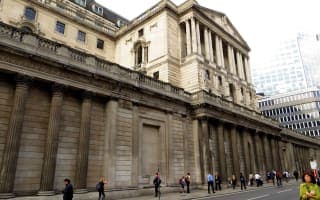
UK inflation rose from 2.9% in July to 3.1% in August as soaring fuel prices triggered by the Iran war pushed the cost of living further from the Bank of England's 2% target, official figures showed on Wednesday. Prime Minister Andy Burnham warned that "difficult decisions" will be needed in the 28 October budget, rejecting claims by former Bank of England chief economist Andy Haldane that he leads a "tax-and-spend socialist government." Motor fuel prices jumped 23%, average petrol hit 161.3p a litre, the highest since November 2022, and air fares rose 6.2% between July and August. With markets pricing a one-in-five chance of a rate rise from 3.75% at Thursday's Bank decision and oil above $106 a barrel, economists warn inflation could climb closer to 4%.

Business
US Diesel Hits Record 5.85 Dollars per Gallon as Iran War Strangles Global Fuel Supply
The average price of diesel in the United States topped its 2022 record high on September 4, 2026, spiking to 5.85 dollars per gallon according to AAA, as the six-month war with Iran disrupts global fuel flows and Ukraine's drone campaign against Russian refineries strains worldwide refining capacity. The surge broke the previous record of 5.816 dollars set in June 2022 and climbed 17 cents in just two days. The diesel crack spread, the price difference between a barrel of crude and the refined product, hit unprecedented triple-digit highs. Farmers facing harvest season, independent truckers absorbing surcharge pressure, and consumers buying anything carried by truck are exposed to the cost cascade. Economists warn the inflation pulse could push the Federal Reserve toward raising rates rather than cutting them, with one analyst describing the central bank as being in a box.

Business
Congress Moves Closer to Avoiding Government Shutdown With Continuing Resolution
Congress moved closer to avoiding a government shutdown on September 1, 2026, with the Senate voting 90-6 in favor of a continuing resolution to fund federal agencies through mid-November. The vote was much more decisive than either deal to end the fiscal year 2026 shutdowns. Once the House and Senate agree on a continuing resolution the bill will go to the President for signature. The resolution maintains current funding levels for most federal agencies while negotiations on full-year appropriations continue. Federal employees had faced the prospect of furloughs if Congress failed to act by the end of the fiscal year. The Congressional Budget Office estimated that a two-week shutdown would reduce GDP growth.

Business
Federal Reserve Cuts Interest Rates by Quarter Point as Downsides to Employment Rise
The Federal Reserve lowered its benchmark interest rate by a quarter percentage point to a range of 4 to 4.25 percent on Sept. 17, 2025, its first cut of the year, citing a shift in the balance of risks toward the labor market. The FOMC statement noted that job gains have slowed, unemployment has edged up, and inflation remains somewhat elevated, while downside risks to employment have risen. The vote revealed a rare split: Governor Stephen Miran dissented, preferring a half-point cut. The committee also said it will continue reducing holdings of Treasury securities and mortgage-backed securities, and remains strongly committed to returning inflation to its 2 percent objective, with further adjustments dependent on incoming data.

Business
European Central Bank Cuts Interest Rates to 3.25 Percent as Eurozone Inflation Falls Below Target
The European Central Bank reduced its main refinancing rate by 50 basis points to 3.25 percent on September 2, 2026, after eurozone inflation fell to 1.7 percent in August, below the bank 2 percent target for the first time in three years. ECB President Christine Lagarde stated that the rate cut reflects the bank confidence that the disinflationary trend is now sustainable across the 20-nation eurozone. The euro weakened 0.9 percent against the dollar to 1.08 following the announcement. Germany manufacturing PMI rose to 51.2 in August, crossing into expansion territory for the first time since early 2024. French Finance Minister Antoine Armand called the rate cut a decisive step toward restoring European competitiveness.

Business
Federal Reserve Holds Rates Steady at 4.5 Percent as Inflation Data Shows Mixed Signals
The Federal Reserve held its benchmark interest rate unchanged at 4.5 percent on September 1, following a two-day meeting of the Federal Open Market Committee. Chair Jerome Powell cited mixed inflation data as the reason for pausing, noting that core Personal Consumption Expenditures inflation fell to 2.8 percent in July from 3.1 percent in June, while services inflation remained elevated at 4.2 percent. The decision disappointed market participants who had priced in a 25 basis point cut with 68 percent probability, according to CME FedWatch tool data.