Diesel Hits Record 6.31 Dollars as J.B. Hunt Shares Plunge on Fuel Cost Alarm
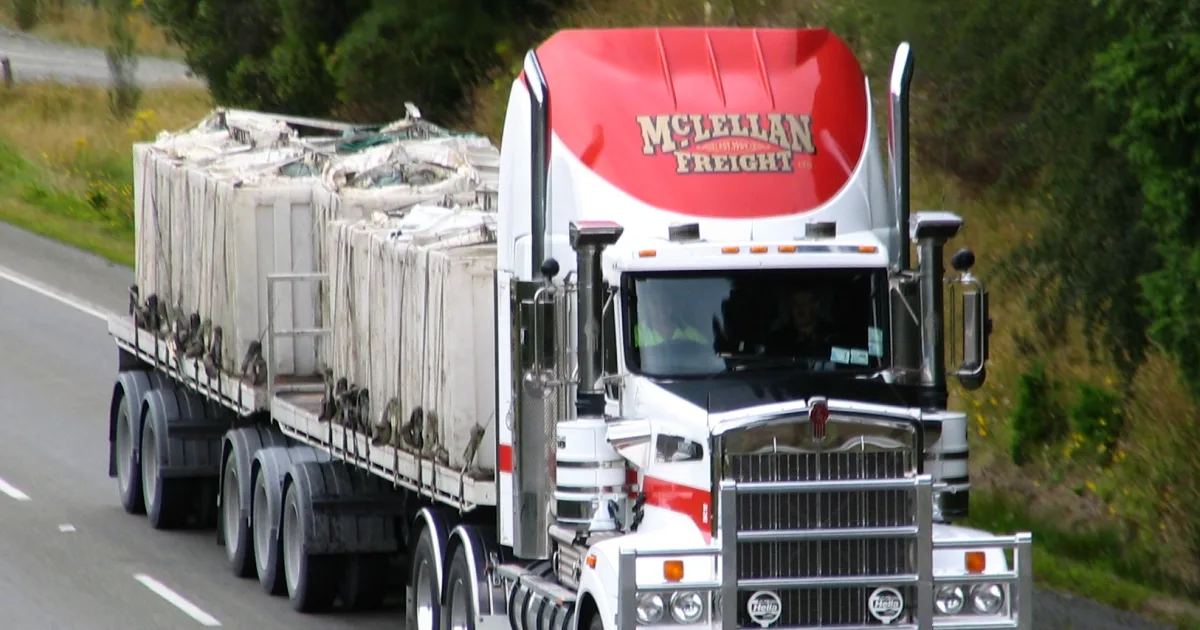
Diesel prices in the United States hit an all-time high of around 6.31 dollars per gallon on Wednesday, according to AAA, intensifying a cost squeeze that transportation companies — the lifeblood of the US economy — are publicly warning could damage their businesses.
Diesel, the fuel type used to power trucks and trains, has surged more than 70 percent from a year ago, a rise analysts attribute to the supply shock from the US war with Iran. The record price lands at a delicate moment for the sector, colliding with the fall harvest season and coming on top of months of escalating freight costs.
## J.B. Hunt Warns of an Earnings Hit
The market reaction was immediate and severe. Shares of J.B. Hunt dropped more than 13 percent in Wednesday's session, one of the worst days for the stock since the trucking company went public in 1983. The Dow Jones Transportation Average, a broader gauge of the sector that also includes rideshare providers and airlines, closed nearly 3 percent lower, with J.B. Hunt the biggest loser in the index.
"We have seen some of the most radical and abnormal swings in fuel prices that I think we've ever seen," said Brad Delco, finance chief at J.B. Hunt, at an industry conference hosted by Morgan Stanley.
Delco said to expect a drop in earnings between 5 percent and 10 percent from the second to third quarter as a result of higher costs — guidance that crystallised for investors how quickly the fuel shock is moving from commodity markets to corporate bottom lines.
## "It Is Like Science Fiction"
The price pressures should only intensify in the coming days, according to Patrick De Haan, head of petroleum analysis at price tracker GasBuddy. The national average could eclipse 6.50 dollars per gallon within the next two days, De Haan warned, and Midwest states such as Michigan, Ohio and Illinois may see per-gallon diesel prices touch 7 dollars.
In California, AAA has already found the average price for a gallon of diesel surpassing 8 dollars, with prices climbing almost 20 percent in the last month alone.
"We're talking about 6-dollar diesel, but out here, it's 8-dollar diesel, we noticed on the way in, which is like science fiction," said Claude Elkins, chief commercial officer at railway transporter Norfolk Southern, speaking on Tuesday at the Morgan Stanley conference in Laguna Beach, California.
Elkins said he keeps a "very cautious eye" on the price levels and is in constant conversations about what they will mean for the economy. "Ultimately, over some period of time, that's going to be a drag on the consumer out there," he said.
## From Harvest Fields to Grocery Aisles
The stakes are large. The transportation services sector added 1.9 trillion dollars to the US economy in 2024, accounting for more than 6 percent of the country's total enhanced gross domestic product, according to the Bureau of Transportation Statistics.
Diesel's record-setting rise colliding with the fall harvest means costs will balloon for producers of crops like corn and wheat, according to Jacob Aiken-Phillips, head of consumer and retail research at Melius Research. Economists have warned that higher inputs can result in sticker shock for Americans when grocery shopping or dining out, though Aiken-Phillips said those fuel-related pressures should be absorbed first through farmers, transporters and retailers before being passed down to consumers in the form of price hikes.
There is one counterpoint in the data: retail sales climbed 1.2 percent from July to August despite the energy-related inflationary pressures, and excluding spending on autos and gas stations, sales grew at their highest level in more than a year. Consumers are still spending — for now — even as they draw more heavily on savings to cover energy and borrowing costs inflated by the war.
Some analysts see opportunity inside the squeeze. George Gianarikas, an analyst at Canaccord Genuity, told clients on Wednesday that rising fuel prices could help drive demand in the transportation sector for autonomous trucking and electric freight offerings, as carriers look for any technology that reduces exposure to diesel.
For the sector's executives, the question is no longer whether the fuel shock reaches consumers but how fast it does. With GasBuddy forecasting new records within days and the harvest season about to peak, the 6.31-dollar gallon set on Wednesday may stand as a milestone on the way higher rather than a ceiling — and the transport companies that move America's goods are telling investors to brace accordingly.
The Morgan Stanley conference commentary, delivered by executives from two of the sector's largest carriers, marked an unusually blunt public assessment of the fuel environment, and the -13 percent J.B. Hunt session — the index's biggest single-stock loss — showed markets repricing earnings expectations in real time. With the next leg of the price surge already forecast, the sector's warning has moved from conference-room caution to public record.
Discussion
Recommended for you
More business
Markets
Bank of England Holds Rates at 3.75 Percent but Warns Middle East War Could Force Future Rises
9/17/2026
Markets
Federal Reserve Raises Interest Rates for First Time Since 2023 as Inflation Fight Deepens
9/16/2026
Markets
Wall Street Slides as Fed Meeting Opens With Markets Pricing 91 Percent Odds of Rate Hike
9/15/2026
Markets