WHO Sees Encouraging Signs Against Ebola in Congo as Cases Surge in Another Region
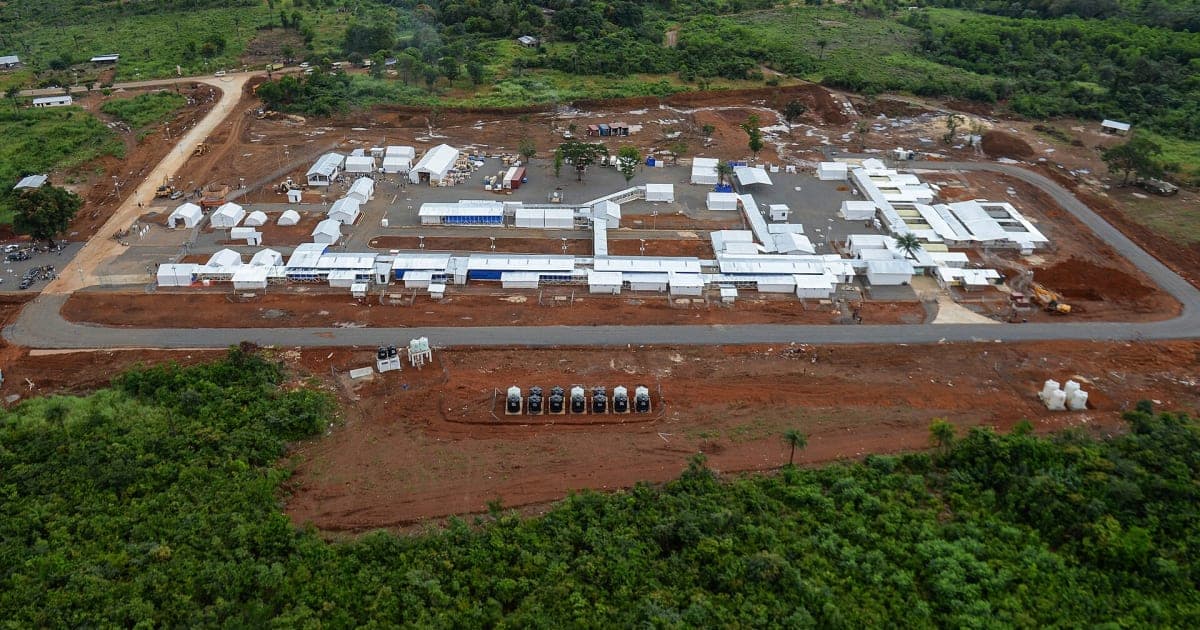
The head of the UN health agency is hailing "encouraging signs" in the fight against an Ebola outbreak in one part of eastern Congo, while warning that case counts are rising fast in another as officials race to tamp down the virus.
World Health Organization Director-General Tedros Adhanom Ghebreyesus said signs of gaining ground against the Bundibugyo virus, the rare species behind the outbreak, have emerged in Ituri province, but added that the situation is one of "many outbreaks in many places."
"We are now starting to see encouraging signs that we are gaining ground in the most affected parts of Ituri province. Transmission is going down," the WHO chief told reporters at the agency's headquarters in Geneva.
South Kivu, he said, has reported no new cases since May.
"But make no mistake, the epidemic continues to grow and continues to kill," Tedros said. He said more than 7,200 cases and more than 3,500 deaths have been reported across seven provinces.
## North Kivu Emerges as the Danger Zone
In North Kivu, "cases are rising fast," Tedros said: the number of weekly cases has nearly doubled over the past two weeks, from about 100 to more than 200.
"The area is so vast that it's hard to speak of a single epidemic. It's many outbreaks in many places," he said.
Maria Van Kerkhove, WHO's director for epidemic and pandemic management, urged realism about the trajectory.
"We can be cautiously optimistic about what is happening, but I think we need to be realistic about the road that's ahead of us. Looking at trends takes time," she said.
Last week, officials in Congo said the world's fastest-growing outbreak of the disease on record had now spread to seven provinces in the African country and was showing no signs of slowing down.
## A Virus With No Approved Vaccine or Treatment
The outbreak is caused by the Bundibugyo virus, one of the rarer Ebola species, for which there is no approved vaccine or treatment. Unlike the Zaire virus, for which monoclonal antibody therapies were approved after trials in DRC between 2018 and 2020, the two approved treatments are not effective or licensed against Bundibugyo.
Medical organizations are supporting the scientific PARTNERS clinical trial, which evaluates the safety and efficacy of the remdesivir and MBP134 therapies for this virus. In the absence of targeted treatment, patient care relies primarily on symptom management, fluid replacement, oxygen therapy and monitoring of blood and cardiac parameters.
A commentary published in The Lancet by Doctors Without Borders earlier this month called for children to be meaningfully included in research and development of Ebola medical tools, including timely access to pediatric formulations in ongoing trials of oral post-exposure prophylaxis such as the antiviral obeldesivir.
## Response Strained by Conflict and Terrain
The emergency is unfolding in provinces already coping with decades of conflict and displacement, weak health systems and millions in humanitarian need. More than 1,700 Doctors Without Borders staff are on the ground, running nine Ebola treatment centers across five provinces and supporting more than 480 beds, with over 2,770 patients admitted since May.
Ituri accounts for 82% of all confirmed cases, and the organization has rehabilitated a 32-bed treatment center in Kampala, Uganda, after reported cases there earlier in the outbreak. More than 2,770 patients have passed through the treatment network since May, a scale that has stretched the response across a conflict-affected region.
The World Health Organization has declared the outbreak a public health emergency of international concern. The declaration represents the highest level of alarm the UN agency can issue and is intended to galvanize international funding and coordination. Mortality in the current outbreak ranges from 43.7% in Haut-Uélé to 67.6% in North Kivu, and the virus is particularly difficult to diagnose because early symptoms such as fever and sore throat are common to many illnesses. Bundibugyo was first identified in 2007 in Uganda's Bundibugyo district, and the current emergency is the largest recorded event involving this species by a wide margin. In practical terms, roughly two of every three patients who fall ill in North Kivu do not survive the disease, according to the agency's figures.
Insecurity, armed checkpoints and shifting front lines can slow the transport of test samples to laboratories, while airport closures and flight restrictions disrupt the flow of staff, diagnostics and supplies. Gaps in diagnosis, surveillance, contact tracing and community engagement continue to undermine efforts to bring the outbreak under control, and the onset of the rainy season raises the risk of concurrent disease outbreaks such as cholera and malaria. Health workers must also battle mistrust in communities where rumors about treatment centers have historically hampered containment drives, forcing responders to pair medical operations with sustained engagement by local leaders.
For the WHO chief, the mixed picture is the message: real progress in Ituri and South Kivu, an accelerating emergency in North Kivu, and an epidemic that remains, in his words, many outbreaks in many places.
Discussion
Recommended for you
More science
Health
Merck and Moderna's Personalized mRNA Cancer Vaccine Succeeds in Phase 3 Trial
9/16/2026
Health
Brain Cells Once Thought Protective May Actually Drive Cognitive Decline With Age
9/2/2026
Health
Breakthrough Gene Therapy Cures Sickle Cell Disease in 97 Percent of Patients in Phase 3 Trial
9/2/2026
Health