NBA Explores Majority Stake in EuroLeague as Adam Silver Confirms Ongoing Negotiations for Unified Europe
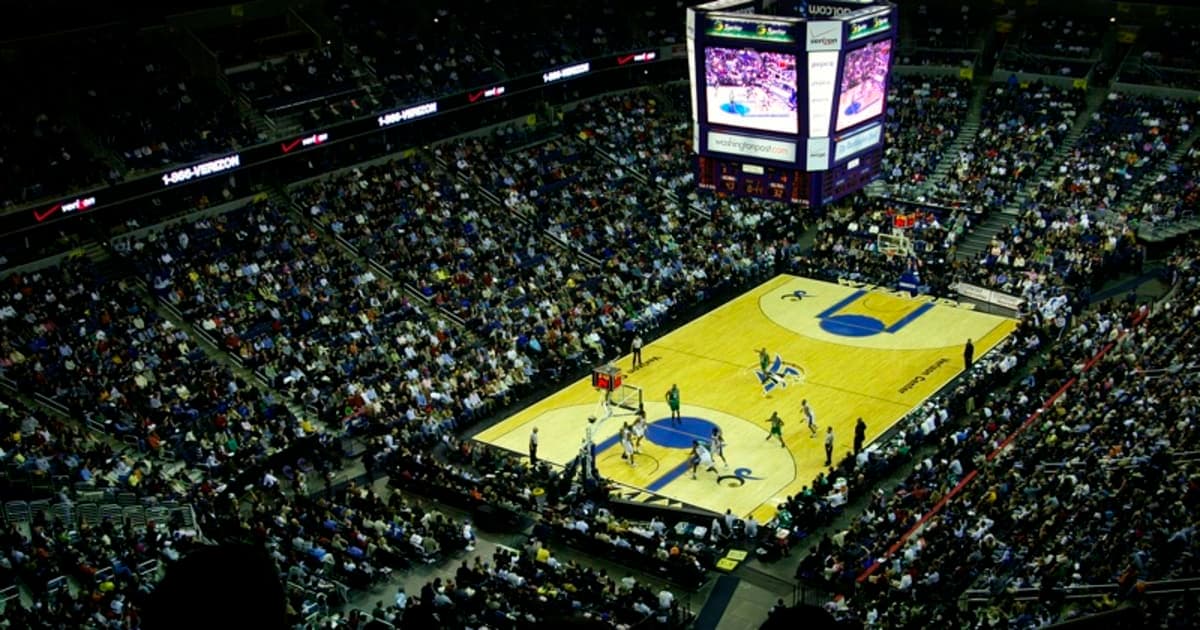
The NBA is in ongoing negotiations with the EuroLeague, including a potential majority purchase, as the league moves decisively toward launching a new European competition, commissioner Adam Silver confirmed on Tuesday.
Speaking after the Board of Governors meeting in New York, Silver said the project represents a historic opportunity to build on European basketball's tradition while confirming that talks with the EuroLeague are advancing. The NBA is developing the project alongside FIBA and is targeting a launch in the 2027-28 season. The confirmation ends months of speculation about whether the two competitions would coexist as rivals or find a framework for cooperation, and it sets up a decisive autumn for the sport's European governance.
"We discussed potential expansion around Las Vegas and Seattle. Mark Tatum spoke about continued discussions around NBA Europe, which, to me, is a historic opportunity to build on the amazing tradition of European basketball in the EuroLeague and various domestic leagues, but now bring that to the next level by creating a combination of new and existing clubs in an NBA-style European competition," Silver said.
## A Majority Stake on the Table
Silver went further than before on the question of ownership, confirming the structure of a possible deal has been discussed at the highest level.
"Yes, we did discuss ongoing negotiations with the EuroLeague. I believe we are making progress there," he said. "We believe the league will be strengthened by joining forces with the EuroLeague. It doesn't have to happen, but I think we would all be better off as a unified front in Europe."
The NBA's preference for collaboration marks a softening from earlier plans that would have seen NBA Europe compete directly with the incumbent. EuroLeague CEO Chus Bueno confirmed no formal offer has landed.
"We are open to explore collaboration and partnership opportunities on the future of European basketball," Bueno said in a statement. "We have not received any offer by NBA as of now but if one arrives, it will be evaluated. In the meantime we continue to progress with our plans to grow EuroLeague."
The EuroLeague's owners, who include clubs such as Real Madrid, Barcelona, Panathinaikos, Olympiacos, Bayern Munich and Fenerbahce, are due to meet in Como, Italy, on October 5 to discuss their own expansion plans and future strategy. That gathering now carries added weight, because it will shape whether the clubs that built the EuroLeague into the continent's premier competition enter any NBA-led structure as partners or hold out as competitors.
## 12 Franchises and a Phased Launch
NBA Europe is planned around 12 permanent franchises, with private equity and European football clubs invited to bid alongside potential new teams in cities such as London, Paris and Berlin. The league has faced resistance in recruiting EuroLeague teams, which would compete with the new franchises. The NBA believes European basketball remains significantly under-commercialized relative to its popularity, and its franchise model is designed to unlock investment from sovereign funds, private equity and established multi-club ownership groups that have circled the sport for years.
Silver said some investors would prefer a later start but indicated he wants competition in the market sooner.
"I'm not sure they are so impatient about next season. If it were up to some of them, we would wait longer to launch. Depending on where we stand with the EuroLeague, I do think it's important that we introduce the competition into the market next summer," he said.
The commissioner conceded the first product may be phased, saying the initial competition will differ from the eventual fully assembled league. That phased approach mirrors how American leagues have historically expanded, launching with a smaller slate before reaching full strength once arenas, sponsorship hierarchies and broadcasting windows are secured. Major structural questions remain, including the player salary system, the aggregation of television rights, the division of responsibilities between the league and local markets, and plans for multiple new arenas across Europe. Television rights are viewed internally as the largest single commercial lever, since a unified European competition could aggregate audiences across more than a dozen national markets into a single international broadcasting package for the first time.
"Everything takes longer than people outside of the league would like it to take, but these things are very involved, and we truly see it as a once-in-forever opportunity, historic in terms of what this could mean, not just for basketball, but for the European sports landscape, and we want to get it right," Silver said.
For European clubs and fans, the coming weeks of negotiations between the NBA and EuroLeague will determine whether the continent's two strongest basketball brands arrive at a unified future or a contested one. Either outcome will redraw the map of the European game, for clubs weighing their allegiances, for players contemplating new stages, and for the sponsors and broadcasters deciding where the sport's commercial future lies.
Discussion
Recommended for you
More sports
Basketball
USA Overcome 14-Point Deficit to Beat France for Fifth Straight Basketball World Cup Gold
9/16/2026
Basketball
NBA Preseason Games Scheduled in Abu Dhabi as League Expands Global Reach
9/2/2026
Basketball
NBA Approves Expansion Franchise in Seattle Returning Professional Basketball After 18 Years
9/2/2026
Basketball