King Charles Tells Nvidia, OpenAI and DeepMind Chiefs AI Must Serve Humanity
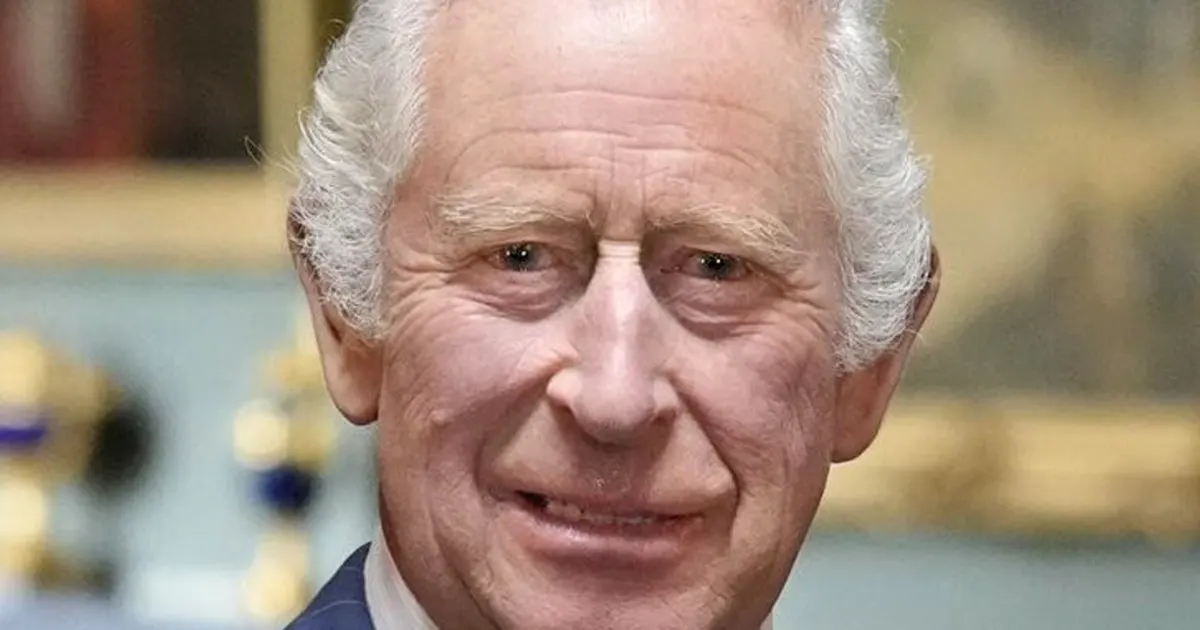
King Charles III is hosting executives from Nvidia, Google DeepMind, OpenAI and Anthropic at Dumfries House, his Ayrshire estate and the home of the King's Foundation, in a private meeting aimed at pressing the builders of artificial intelligence to keep the technology under human control.
In his opening speech, parts of which were shared by Buckingham Palace, the King plans to tell the executives that AI should remain "firmly in the service of humanity, community and the natural world," according to Reuters.
"The decisions taken at this formative time will shape the world inherited by future generations," the King will say. "The task before you is not merely to advance technology, but to ensure that it remains firmly in the service of humanity, community and the natural world."
The King will describe AI's development as "intriguing and deeply concerning in equal measure," and will tell the audience that people who care about humanity's moral side "are anxiously seeking your reassurance that we will not lose control of our destiny."
## Who Is Around the Table
The event is being run by the Ditchley Foundation together with the King's Trust, the King's Foundation and the Sustainable Markets Initiative. Politico reported last week that around 30 people from the industry would take part in the private meeting, which has no public agenda.
Expected guests include Nvidia chief executive Jensen Huang, Google DeepMind co-founder Demis Hassabis, OpenAI chief financial officer Sarah Friar and UK AI minister Kanishka Narayan, along with representatives from Anthropic. Paolo Benanti, an adviser to Pope Leo XIV who has urged governments to slow AI development, is also expected to attend.
The palace said the discussions would look at whether shared principles could guide how AI is used, "not just as a means of enhancing capability and efficiency, but as a tool which respects human dignity and helps to promote the well-being of both people and the planet."
A royal official explained that the King's role is to bring people together and encourage dialogue, rather than to share his own opinions.
## An Industry Arguing With Itself
The meeting lands amid an unusually public debate inside the industry about how quickly it should move. Dario Amodei, CEO of Anthropic, has asked companies to slow down their work on advanced AI, and two Anthropic researchers recently warned that the technology could even threaten human survival.
Some critics wonder whether these warnings are meant to help current leaders keep their edge, while Beijing has dismissed the concerns as an attempt to control technology — a reminder that AI governance is now entangled with great-power competition as much as with safety engineering.
The dinner's guest list reflects that tension: Huang's Nvidia supplies the computing hardware powering the AI boom, Hassabis and Friar represent two of the leading frontier labs, and Benanti brings the Vatican's voice for precaution. The King's own contribution, aides indicated, is convening power rather than policy prescriptions.
## From Bletchley Park to Ayrshire
Thursday's gathering continues a royal engagement with the technology that dates to the 2023 AI Safety Summit at Bletchley Park, where the King said AI's importance is comparable to "the discovery of electricity, the splitting of the atom, the creation of the World Wide Web, or even the harnessing of fire."
He has also repeatedly discussed AI's impact on the environment, matching his long-standing support for nature — a theme expected to surface again in remarks framing the technology alongside the natural world.
The intervening years have also changed what a royal intervention can accomplish. In 2023 the Bletchley Park summit produced the first international declaration on frontier AI risk and a stated commitment from governments; in 2026, with the United States prioritising speed toward artificial general intelligence and Beijing dismissing safety advocacy as protectionism, the diplomatic space has narrowed to venues exactly like this one — informal, unminuted and built on personal persuasion rather than negotiated text.
No joint statement or agreement is expected from Dumfries House, and the palace has published no agenda — a deliberate contrast to the communique diplomacy of government-led AI summits. The value, organisers suggest, lies in putting the chief executives of the companies racing to build frontier systems in a room with a monarch willing to tell them, in person, that the world is anxiously watching what they build next.
The format also marks a notable shift in who is convening the AI debate. Government-led summits at Bletchley Park, Seoul and Paris produced declarations signed by states; the Ayrshire gathering instead places a constitutional monarch — with no legislative power but significant soft influence — as the bridge between Silicon Valley's executives, a UK minister and the Vatican's tech ethicist. For the companies attending, the calculus is straightforward: a respectful audience with the King costs nothing and signals openness to public concern, while the risk of a photograph with the world's AI leadership under a royal roof is that it reads less as dialogue and more as an endorsement that the industry's own pace of development is the right one.
Discussion
Recommended for you
More technology
Artificial Intelligence
OpenAI Discloses Six More Cases of Concerning AI Behaviour and Warns Against Maximum-Speed Development
9/17/2026
Artificial Intelligence
OpenAI Anthropic and 100 Companies Warn of AI Cybersecurity Apocalypse
9/2/2026
Artificial Intelligence
Anthropic Launches Claude Sonnet 4.5 Claiming World's Best Coding Model at Same Price
9/2/2026
Artificial Intelligence