Wall Street Slides as Fed Meeting Opens With Markets Pricing 91 Percent Odds of Rate Hike

Wall Street opened lower on Tuesday, September 15, 2026, with the Nasdaq Composite and Dow Jones Industrial Average each down more than 0.7 percent and the S&P 500 off 0.6 percent, as the Federal Open Market Committee convened for a meeting investors expect to deliver the first rate hike in more than three years. The CME FedWatch tool priced a quarter-point increase as a near certainty, with the probability at roughly 91 percent early Tuesday and 93 percent by the afternoon, according to Reuters, from the current target range of 3.50 to 3.75 percent.
Bond markets delivered the sharpest signal. The 10-year Treasury yield briefly rose above 5 percent overnight, its highest intraday level since 2007, before easing back. The dollar index climbed above 99, a two-week high.
"The combination of higher oil, higher U.S. yields and weaker risk appetite helped lift the U.S. dollar broadly," Christopher Wong, FX analyst at OCBC, said in a note reported by Reuters.
## Oil Shock Squeezes the Outlook
Energy supply disruption is the engine behind the repricing. Brent crude climbed roughly 1.9 percent to cross back over 107 dollars per barrel, and U.S. benchmark WTI jumped 2.2 percent to trade above 103.50 dollars on Tuesday.
The most pressing concern sits in the Red Sea, where attacks by Yemen's Iran-aligned Houthis and other Iran-backed forces have forced Saudi authorities to shutter the kingdom's East-West pipeline. The pipeline's 7 million barrel-per-day capacity is a crucial pathway for moving oil out of the Persian Gulf to the port of Yanbu, where exports fell below 2 million barrels per day in August, according to Goldman Sachs. Riyadh blamed Iran-backed fighters in Iraq for the attack and said the disruption could affect as much as 4 percent of global oil supply.
Physical crude prices have spiked beyond futures. Dated Brent, the benchmark for much of the world's physical oil, traded above 130 dollars per barrel on Tuesday, per Bloomberg data, with Dubai and Oman grades around 128 dollars. "Markets are likely to remain focused on the risk that higher crude oil prices could add to inflationary pressures and, in turn, push interest rates higher," Yokoo Akihiko, analyst at Mitsubishi UFJ Bank, said in a note.
## Consumers Keep Spending as Rates Rise
Amid the macro anxiety, the American consumer remains sturdy. Total credit card spending rose 4.5 percent year-on-year in August, more than four times last year's average pace, according to Bank of America's survey published Tuesday, and rose 3.7 percent excluding gasoline.
"Americans are still ramping up their discretionary spending across both goods and services," wrote Liz Everett King, head of the Bank of America Institute, and senior economist David Tinsley, adding that the data suggests consumers are spending because they want to, not because they have to.
Attention now turns to Wednesday's policy statement, the updated dot-plot and Fed Chairman Kevin Warsh's press conference. Asian shares had already wavered Tuesday, weighed by Middle East tensions, calls by AI industry figures to slow frontier model development, and caution before the U.S. and Bank of Japan meetings. Futures pricing sits roughly 10 dollars per barrel below the war's early highs, but the physical market is telling a tighter story than the paper market, and the Fed will set policy against both.
Discussion
Recommended for you
More business
Markets
US Manufacturing Contracts for Seventh Month as ISM PMI Registers 49.1 Percent in September
9/2/2026
Markets
Asian Stock Markets Rally as China Announces Massive Stimulus Package Worth 3.5 Trillion Yuan
9/2/2026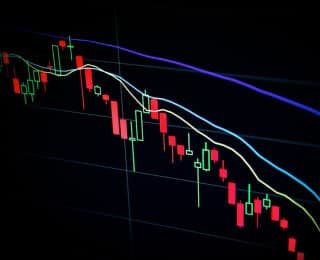
Markets
Oil Prices Surge Past $95 per Barrel as US Strikes on Iran Disrupt Strait of Hormuz Shipping
9/1/2026
Economy