Buckingham Palace Rebuffs Earl Spencer Claim That King Charles Said We'll Forget Diana Soon Enough
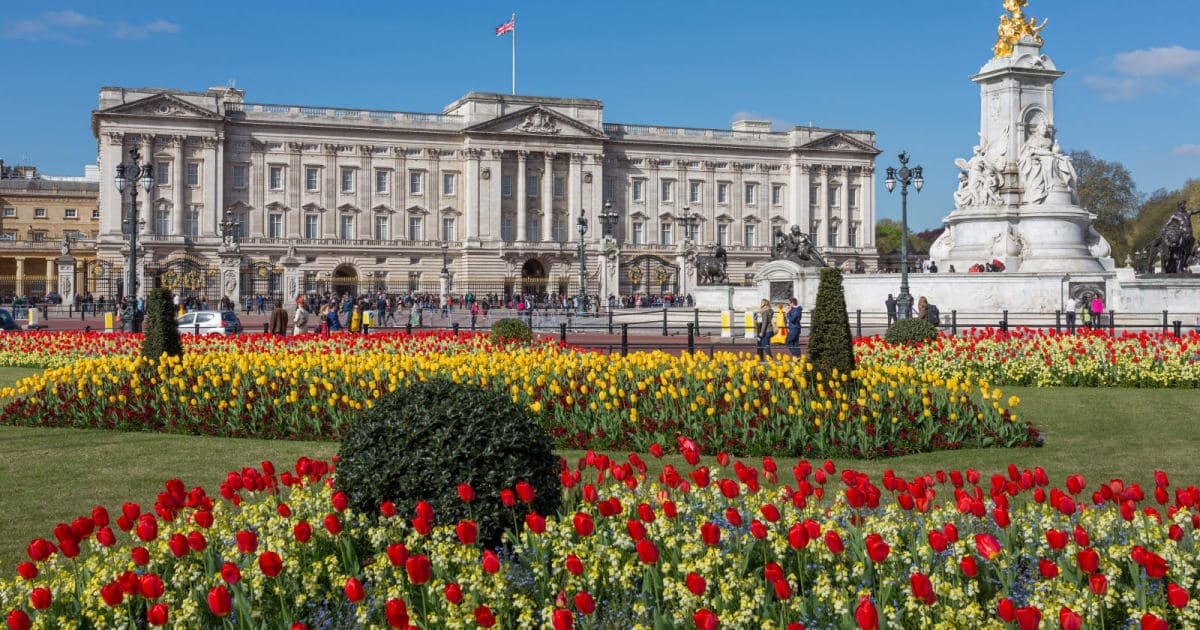
Buckingham Palace has broken its usual silence on royal books to rebut an allegation in Earl Spencer's forthcoming memoir that King Charles said of Diana, Princess of Wales, days after her death: rest assured, we'll forget her soon enough. The claim appears in Swan Song: Diana, My Sister, which is due to be published worldwide next Tuesday by Penguin Michael Joseph, a division of Penguin Random House.
The response was remarkable for its speed. Royal historians and commentators noted that the Palace rarely responds to claims in the countless books published about the royal family, yet it was straight out of the block on this one, offering a carefully worded rebuke within hours of the serialisation.
## The Alleged Remark And The Funeral Argument
According to the Daily Mail, which is serialising the book, Spencer writes that he insisted to the then Prince of Wales that Diana would not have wanted her sons, William, then 15, and Harry, then 12, to walk in their mother's funeral procession.
Spencer writes that when one of Queen Elizabeth's most senior aides told him in the days before the funeral that William and Harry would take part in the procession, he responded: that's not going to happen. Minutes later, he received a phone call from Charles, who insisted that they should. It was during the ensuing argument, Spencer writes, that Charles made the comment: rest assured, he hissed, we'll forget her soon enough.
The earl says he was stunned by the alleged remark and took a few seconds to reply. I can't believe you just said that, I said flatly, before hanging up, he writes. He claims the comments unleashed by Charles almost 30 years ago reflected his pent-up contempt for Diana, and his horror that the world was so bowled over by her death.
The procession scene remains one of the most studied images of modern Britain. William and Harry ultimately walked behind their mother's coffin alongside their father, grandfather Prince Philip and uncle Earl Spencer, a decision the younger prince has since criticised publicly. Spencer's account now asserts that the decision was contested in real time, and that the argument over it produced the alleged remark at the centre of the Palace's response.
## The Palace Response And What Comes Next
A Buckingham Palace spokesperson said: While we do not comment on books as a matter of principle, His Majesty is mindful that the pain of fraternal grief can cloud reason, affect judgment and colour memory in ways others do not recognise, even many years after such a loss.
The statement follows a royal tradition of diplomatic phrasing that conveys disagreement without direct denial, echoing formulations such as recollections may vary used in past family disputes. Its effect is to dispute the account while invoking mourning context rather than litigating details.
Swan Song arrives ahead of the 30th anniversary of Diana's death next year. Diana died aged 36 after a car crash in Paris in 1997 and would have turned 65 on 1 July this year. Spencer said he had been inundated with interview requests in advance of the anniversary and wanted to write down his own thoughts and memories rather than having the discomfort of again reading the opinions of others.
The aim of this book is to tell the truth about Diana from her brother's perspective, just as I attempted to do when speaking at her funeral, he said, referring to the eulogy he delivered in Westminster Abbey, a speech remembered for its emotional force and for the applause that interrupted it.
Interest in the memoir is already so intense that four copies of the Dutch language edition were reportedly taken from a truck while it was en route from the Dutch publisher's printers to its warehouse in the Netherlands.
The timing places the Palace in an awkward bind. Publication falls while the King continues his own recovered working schedule, and any prolonged exchange with a family member through statements risks reviving the institutional wounds of the 1990s. Yet allowing the quote to circulate unanswered through a full news cycle carried its own cost, which explains the speed of the response.
For the Palace, the calculation appears to be that silence would have allowed the alleged quote to define the news cycle through publication week. For Spencer, the book represents the fullest account yet of his relationship with the sister he eulogised, and the sharpest public rift between the two households since the funerals of Queen Elizabeth and Prince Philip briefly reunited them.
Booksellers expect Swan Song to dominate the nonfiction charts on pre-orders alone, and the anniversary year ahead guarantees the argument over Diana's memory, and over this remark, will be litigated again well before next summer.
The dispute now moves to publication day, when the full text will allow readers to weigh the allegation, the denial's careful architecture, and nearly three decades of contested memory surrounding the most photographed woman of her age.
Discussion
Recommended for you
More world
Europe
EU Unveils KIDS Act Banning Under-13s From Social Media With 6% Revenue Penalties
9/17/2026
Europe
Scotland Suspends AI Datacentre Planning for Up to a Year Pending National Strategy and Environmental Rules
9/17/2026
Europe
Sweden's Election Hangs in Balance as Exit Polls Give Center-Left Slim Lead Over Right
9/16/2026
Europe