Apple AirPods 5 Go on Sale September 18 With Noise Cancellation Standard Across the Whole Lineup
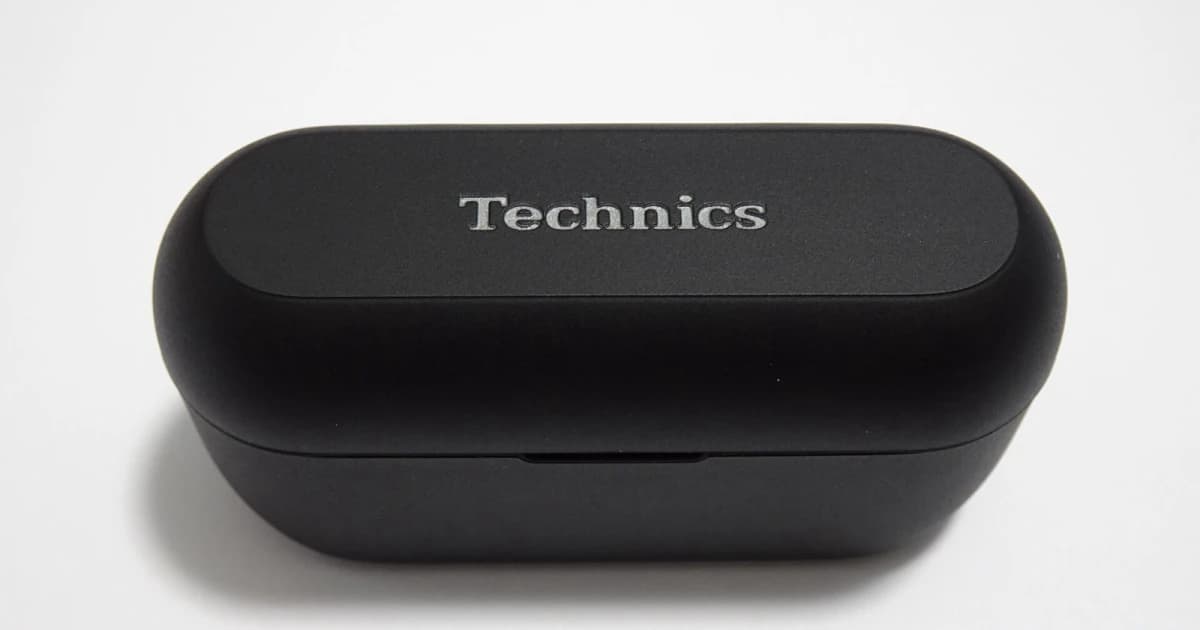
Apple announced the latest generation of its AirPods mobile audio accessories, with the AirPods 5 set for release on September 18, 2026, starting at 129 dollars.
Revealed at the September 2026 Apple Event, the earbuds come in two models: a regular version with a charging case that must be plugged in, priced at 129 dollars, and a wireless charging model compatible with MagSafe charging products, priced at 149 dollars.
## Noise Cancellation Goes Standard
The headline change is that improved Active Noise Cancellation is now a standard feature on this generation of AirPods rather than a distinguishing feature of a premium model. Apple says the AirPods 5 can reduce up to 50 percent more external noise than the AirPods 4 with Active Noise Cancellation.
The new AirPods use an updated multiport acoustic architecture and next-generation Adaptive EQ for richer and more detailed sound, in an open-ear design. They also include an improved Transparency mode, Adaptive Audio, and Conversation Awareness, which automatically lowers media volume when the user starts speaking.
As one reviewer of the announcement put it, AirPods without noise cancellation are now a thing of the past — a structural shift in how Apple tiers its audio lineup.
## Siri AI Moves In
AirPods 5 also incorporate the newly built Siri AI companion, allowing users to engage hands-free with Siri's organisational and digital assistant features.
The earbuds support Siri AI features when paired with a compatible iPhone: users can access Siri hands-free, respond using head gestures, and use Live Translation to hear conversations in their preferred language.
The wireless charging case model adds stem-based volume controls, improved battery life, and support for Apple Watch and Qi-compatible wireless chargers. AirPods 5 offer up to five hours of playback with Active Noise Cancellation on a single charge, while the wireless charging case extends total listening time to up to 22 hours.
## A Two-Tier Strategy, Redrawn
The launch continues Apple's familiar two-model approach, but the tiers have shifted meaning this year. Previously, buyers paid a substantial premium to move from open-ear AirPods to noise-cancelling AirPods Pro; with cancellation standard across the AirPods 5 line, the wireless charging case and battery life are now the primary reasons to spend the extra 20 dollars.
That compression matters for competitors. Samsung, Bose, Sony and a wave of budget brands have long sold entry-level true-wireless earbuds without cancellation while reserving it for models above roughly 150 dollars. Apple's 129-dollar floor, carrying both cancellation and its assistant stack, redefines what a base-model earbud must include to stay competitive in the same shelf space.
The Siri AI integration similarly raises expectations for what assistant features ship in the box. Live Translation and head-gesture controls are the kind of features that previously anchored premium marketing campaigns; embedding them in the standard model turns them into table stakes for any rival that wants to claim parity with Apple's cheapest new earbuds.
## Pre-Orders Open Ahead of Friday Release
Pre-orders opened immediately after the event, with the September 18 release following the iPhone refresh announced at the same September 9 gathering. The launch continues Apple's pattern of pairing its flagship phone cycle with an audio refresh, keeping the AirPods line in step with the hardware that most of their features depend on.
The AirPods 5 carry a mid-cycle price point, but the standardisation of noise cancellation makes this one of the more consequential entry-level updates in the lineup's history — and a direct challenge to mid-market audio brands that compete on features Apple has just absorbed into its base model.
## Design Continuity With a Smarter Core
Visually the AirPods 5 stay close to the open-ear silhouette that has defined the standard line since its debut, signalling that Apple sees the renewal as an internal upgrade rather than a redesign. The changes concentrate in what the earbuds do rather than how they look: the acoustic architecture, the cancellation hardware and the assistant integration all sit beneath a familiar shell.
For existing AirPods 4 owners the upgrade calculus centres on cancellation and Siri AI. For the far larger market of users on older AirPods or rival earbuds, the combination of cancellation, translation and a 129-dollar entry price makes this the first time the standard AirPods line has competed directly on features rather than convenience and ecosystem fit.
The timing also matters within Apple calendar strategy. The September 18 release keeps the earbuds in the holiday-quarter sales window, where wearables and audio accessories historically convert strongly as gift purchases, and pairs the launch with the iOS 27 rollout that ships the Siri AI features the earbuds advertise.
Shacknews staff coverage noted the earbuds arrive alongside a broad 2026 Apple lineup refresh spanning phones, watches and audio, one of the widest simultaneous refreshes the company has staged in recent years, and a clear signal that the audio line is now treated as a core platform rather than an accessory business.
Discussion
Recommended for you
More technology
Gadgets
MediaTek Launches Dimensity 9600 Pro as First 2nm Smartphone Chip for Next Flagships
9/16/2026
Gadgets
Apple Debuts iPhone 18 Pro With Variable Aperture Camera and A20 Pro Chip
9/16/2026
Gadgets
Apple Sends Media Invites for Major Hardware Event Scheduled for September 9
9/2/2026
Gadgets