Scientists Discover New Class of Antibiotics Effective Against Drug-Resistant Bacteria
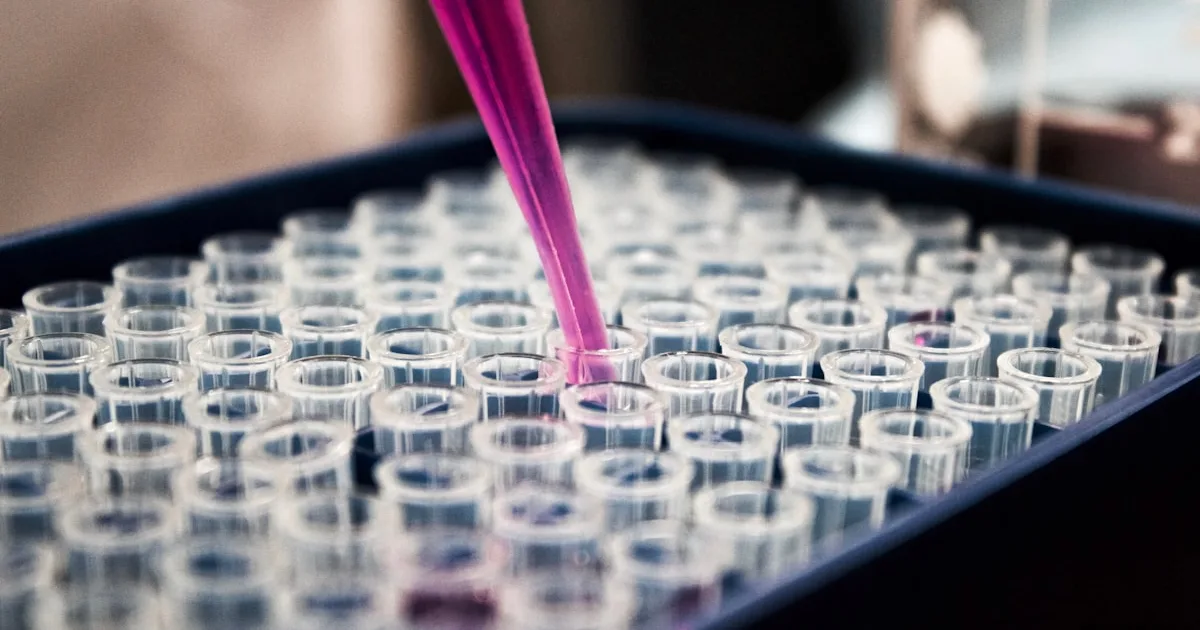
Researchers at MIT and Harvard University identified a new class of synthetic antibiotics effective against methicillin-resistant Staphylococcus aureus and other drug-resistant bacteria, offering hope against one of the fastest-growing public health threats worldwide today.
The compounds, called lasanocids, attack bacterial cell membranes through a mechanism that bacteria have not developed resistance to in laboratory settings over 18 months of continuous testing. The study, published in Nature on September 1, demonstrated that lasanocids killed 99.9 percent of MRSA bacteria in mouse infection models within 24 hours of administration.
"We have not seen resistance emerge despite repeated exposure at therapeutic doses over many generations of bacteria," said James Collins, a professor of biological engineering at MIT and co-lead author of the study. "The membrane-targeting mechanism makes it extremely difficult for bacteria to develop workarounds."
## Addressing a Global Crisis
The World Health Organization estimates that antimicrobial resistance caused 1.27 million deaths globally in 2024, with projections reaching 10 million annual deaths by 2050 if new treatments are not developed. The pipeline for new antibiotics has slowed dramatically, with only 12 new classes approved since 1980.
"Antibiotic resistance is a slow-motion pandemic that threatens to undo a century of medical progress," said Emily Tow, a research fellow at Harvard Medical School and co-lead author. "The last truly novel antibiotic class was discovered in the 1980s. We need fundamentally different approaches to drug discovery."
Lasanocids were identified through a high-throughput screening campaign of 2.4 million synthetic compounds. The screening used an automated platform that tested each compound against panels of drug-resistant bacteria, including MRSA, vancomycin-resistant Enterococcus, and multidrug-resistant Pseudomonas aeruginosa.
## Mechanism and Development
Unlike traditional antibiotics that target specific bacterial proteins or metabolic pathways, lasanocids disrupt the bacterial cell membrane by inserting themselves into the lipid bilayer and creating pores that cause cell contents to leak out rapidly.
"The beauty of the membrane-targeting approach is its simplicity and elegance," said Collins. "Bacteria can evolve resistance to a protein inhibitor by mutating the target protein. But they cannot easily mutate the fundamental structure of their cell membrane without killing themselves in the process."
The researchers modified the lasanocid scaffold to reduce toxicity to human cells, achieving a therapeutic index of 50, meaning the effective dose against bacteria is 50 times lower than the dose that harms human cells. Conventional antibiotics typically achieve therapeutic indices of 10 to 20.
## Commercialization Path
Novo Holdings, the investment arm of the Novo Nordisk Foundation, has committed $180 million to advance lasanocids through Phase I clinical trials, expected to begin in Q2 2027. The funding covers manufacturing scale-up, toxicology studies, and regulatory submissions across multiple jurisdictions.
"The antimicrobial resistance crisis requires patient capital and long time horizons for investment," said Kasim Kutay, CEO of Novo Holdings. "We are investing because the public health need is urgent and the science is compelling at every stage."
If clinical trials succeed, lasanocids could reach the market by 2030. The researchers have filed patents covering the compound class and its manufacturing process. The WHO has listed antimicrobial resistance as one of the top 10 global public health threats facing humanity today.
Discussion
Recommended for you
More science
Research
Loss of Kelp Forests Reverberates Down to Microbial Level in Ocean Ecosystems
9/2/2026
Research
European Nuclear Fusion Experiment Achieves Net Energy Gain for 30 Consecutive Minutes
9/2/2026
Health
Brain Cells Once Thought Protective May Actually Drive Cognitive Decline With Age
9/2/2026
Space