House Passes Lindsey Graham Russia Sanctions Act 262-159 as Trump Gains 100 Percent Tariff Authority
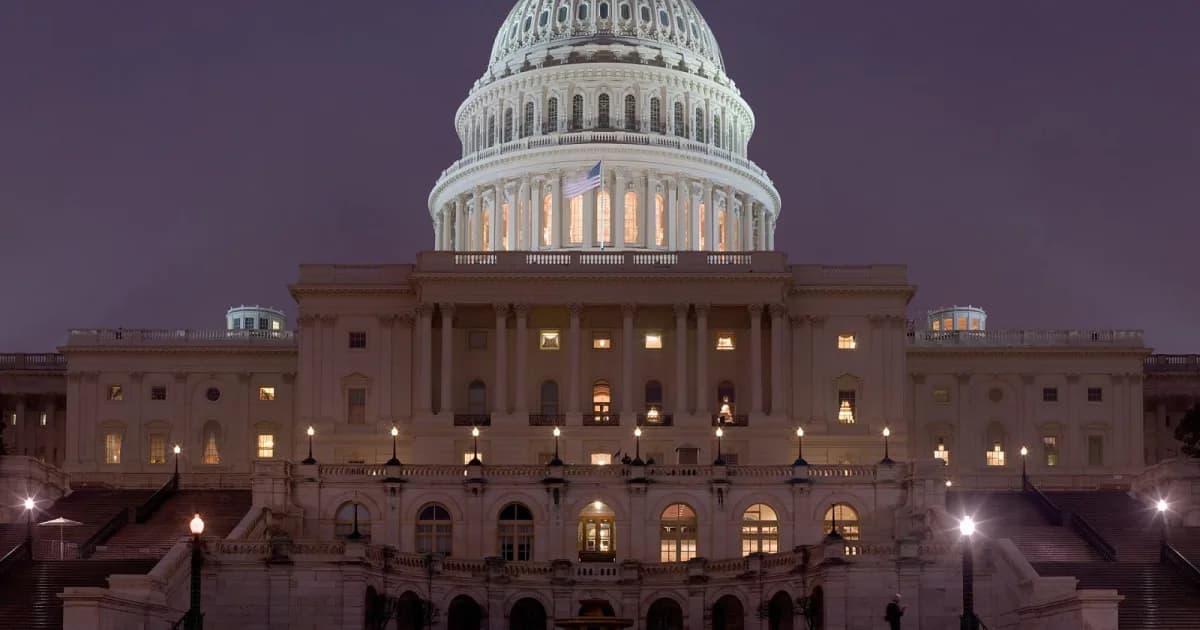
The US House of Representatives on Wednesday passed a sweeping sanctions and tariff bill intended to increase economic pressure on Russia over its war in Ukraine, sending the legislation to President Donald Trump for his signature.
The bill, originally introduced by the late Republican Senator Lindsey Graham, was named the Lindsey O Graham Sanctioning Russia and Iran Act of 2026 in his honour. It passed the House 262-159, after clearing the Senate last month, in a vote taken on the last day before Congress goes on recess ahead of the midterm elections.
## What the Bill Does
The legislation expands sanctions targeting Russia's energy, defence and shadow-fleet sectors. It would mandate new sanctions on Russian political and military officials and on foreign networks helping to supply Russia's war machine and evade existing sanctions.
It also targets Russia's so-called fleet of shadow tankers, ageing vessels with opaque ownership that have allowed the country to keep shipping crude around the world despite sanctions on its energy exports. Treasury has previously sanctioned individual operators, but the new statute turns that case-by-case effort into standing law.
Most consequentially for global trade, the bill allows Trump to impose tariffs of up to 100 percent on the top purchasers of Russian energy, including China and India, as well as other countries helping the Kremlin evade sanctions.
## Democrats Rebel Over Presidential Power
House Democratic leader Hakeem Jeffries said the legislation had so many loopholes that sanctions harming Russia might never be applied, and announced he would vote no.
"What this legislation will do is give Donald Trump, perhaps, unfettered authority to unleash tariffs on the American people," Jeffries said.
"Why in the world would this Congress give this president additional authority to visit that kind of economic harm on the American people?" he added.
Despite the leadership's opposition, enough Democrats joined Republicans to pass the bill comfortably, underscoring the depth of congressional frustration with Moscow more than four years into the war.
## Republicans Frame a Churchill Moment
US Congressman Michael McCaul, who shepherded the measure, said: "I'm proud to announce that the bill passed by a vote of 262 to 159... This bill will cripple Russia's war machine and finally bring Putin to the negotiating table."
"It will ensure America's adversaries, not only Russia, but also China and Iran, suffer for their coordinated campaign of aggression," McCaul said, honouring a colleague who co-authored the bill more than a year and a half ago and died before seeing it pass. He recalled Graham's final press conference: "I've never been more optimistic than I am today that we have the formula to end this war."
Don Bacon, a Nebraska Republican who supported the bill, called it the US Congress's "Churchill vs Chamberlain Moment on Russia."
Democratic staffers supporting the bill said it offered a "last chance" to increase sanctions on Russia before Ukraine entered a "long winter", with Russia improving the drone technology used to strike Ukrainian infrastructure as Kyiv suffers a shortage of anti-air missiles.
## A Crowded Week on Capitol Hill
The sanctions vote capped a frenetic stretch in Washington. Trump reacted furiously to the Federal Reserve's unanimous decision on Wednesday to raise its benchmark interest rate by a quarter-percentage point to a range of 3.75 to 4 percent, demanding a massive cut in rates.
In South Florida, Republican congresswoman Maria Elvira Salazar made a rare public break with the president in a new advertisement, pushing back against his hardline immigration policy. "Mr. President, some of your immigration enforcement efforts have gone too far," Salazar said, speaking directly into the camera.
In North Carolina, Trump explicitly compared his effort to blame Democrat Roy Cooper, the former governor and Senate candidate, for the killing of a young Ukrainian refugee last year to the infamous 1988 Willie Horton advertisement, a comparison that drew criticism because it relies on false information.
## What Happens Next
The bill now goes to Trump, who has previously demanded tougher action on Moscow's energy customers but has also insisted on retaining discretion over sanctions. Its tariff provisions give him a new instrument against China and India that could reshape trade flows if invoked.
The White House has signalled support for tougher sanctions in principle while warning lawmakers not to constrain the president's negotiating flexibility with Moscow and Kyiv. The vote drew immediate attention in New Delhi and Beijing, whose continued purchases of Russian oil place them squarely under the tariff threat the statute creates.
House Speaker Mike Johnson cancelled Thursday's votes and sent lawmakers home a day early, meaning the House also avoided a vote on Republican congressman Thomas Massie's resolution to impeach the defence secretary, Pete Hegseth.
For Ukraine's allies, the question is now whether the president signs the bill — and whether he ever pulls the 100 percent tariff trigger it hands him.
Discussion
Recommended for you
More politics
Politics
Three More Republicans Break Ranks to Back War Powers Resolution as Midterm Fears Grow
9/16/2026
Politics
Philippines Holds First Ever Bangsamoro Parliament Election With 2.39 Million Voters After Four Postponements
9/15/2026
Politics
Supreme Court Allows Trump to Build White House Ballroom as Lawsuit Continues
9/2/2026
Politics