UK Announces Snap General Election for October 2026 as Polls Show Labour Lead Narrowing
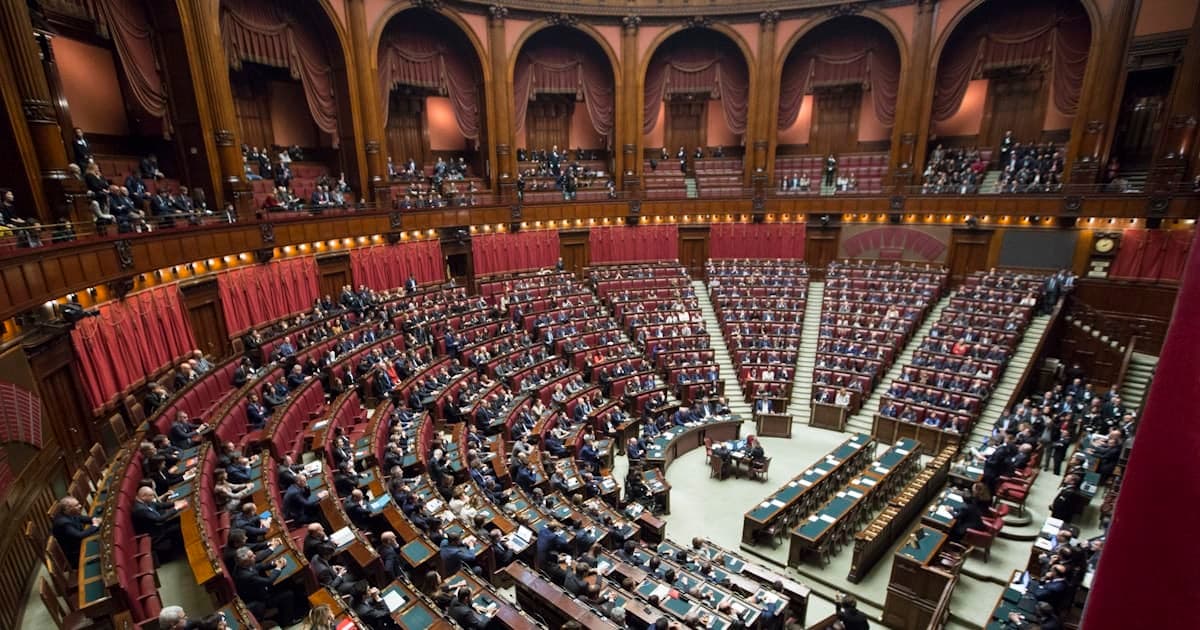
British Prime Minister Keir Starmer announced a snap general election for October 16, 2026, after internal polling showed the Conservative Party closing a 14-point lead to just 4 points over the past three months.
The decision, disclosed at a Downing Street press conference on September 1, comes 11 months after Labour won a landslide victory with 412 seats in July 2025. Under the Dissolution and Calling of Parliament Act, the prime minister retains the authority to request dissolution at any time.
"The British people deserve a government with a clear mandate to deliver the economic reforms this country needs," Starmer said. "I am confident that when presented with Labour record and our plan for the future, voters will choose stability over chaos."
## Polling Shifts Reshape the Race
YouGov polling conducted August 25-28 showed Labour at 36 percent support, down from 50 percent immediately after the July 2025 election. The Conservatives under new leader Kemi Badenoch rose to 32 percent, driven by gains among rural voters and small business owners frustrated by new employment regulations.
Redfield and Wilton Strategies found that 47 percent of respondents rated the economy as "poor" under Labour, up from 31 percent in March. The cost of living remained the top voter concern at 62 percent, followed by healthcare at 48 percent and immigration at 39 percent.
"The government has lost control of the narrative," said Professor Sir John Curtice, a political scientist at the University of Strathclyde. "Voters are not comparing Labour to the Conservatives. They are comparing Labour to their own expectations."
## Budget Cuts Loom Over Campaign
Chancellor Rachel Reeves is scheduled to deliver an autumn budget on November 4, six weeks after the election. Documents leaked to the Financial Times revealed proposals to cut departmental spending by 3.2 percent across non-protected budgets, affecting local government, further education, and transport.
The proposed cuts would reduce local authority funding by approximately 2.8 billion pounds, according to the Institute for Fiscal Studies. Council leaders from both parties warned that frontline services, including social care and waste collection, would face "unprecedented pressure."
"Calling an election before the budget is a calculated move to avoid voter backlash," said Conservative chair Richard Holden. "Starmer knows these cuts will anger his own supporters, so he wants the votes counted before the pain is felt."
## Legal and Constitutional Questions
Constitutional scholars debated the propriety of the timing. Professor Meg Russell of the Constitution Unit at University College London noted that while the dissolution is legally permissible, the compressed five-week campaign period limits public scrutiny of party manifestos.
"The electorate will be asked to vote before the fiscal reality of this government is fully disclosed," Russell wrote in a blog post. "That raises legitimate questions about informed consent in a democracy."
The election will be the UK fourth general vote in seven years, following contests in 2017, 2019, and 2025. Voter turnout in 2025 reached 62.3 percent, the lowest since 2001. Political analysts expect turnout could drop below 60 percent in a snap autumn contest.
Discussion
Recommended for you
More politics
Politics
Supreme Court Allows Trump to Build White House Ballroom as Lawsuit Continues
9/2/2026
Politics
India and Japan Sign Historic Defense Cooperation Pact Amid Rising Indo-Pacific Tensions
9/2/2026
Politics