Linux Kernel 7.0 Released With Revolutionary Memory Management Achieving 40 Percent Performance Gain
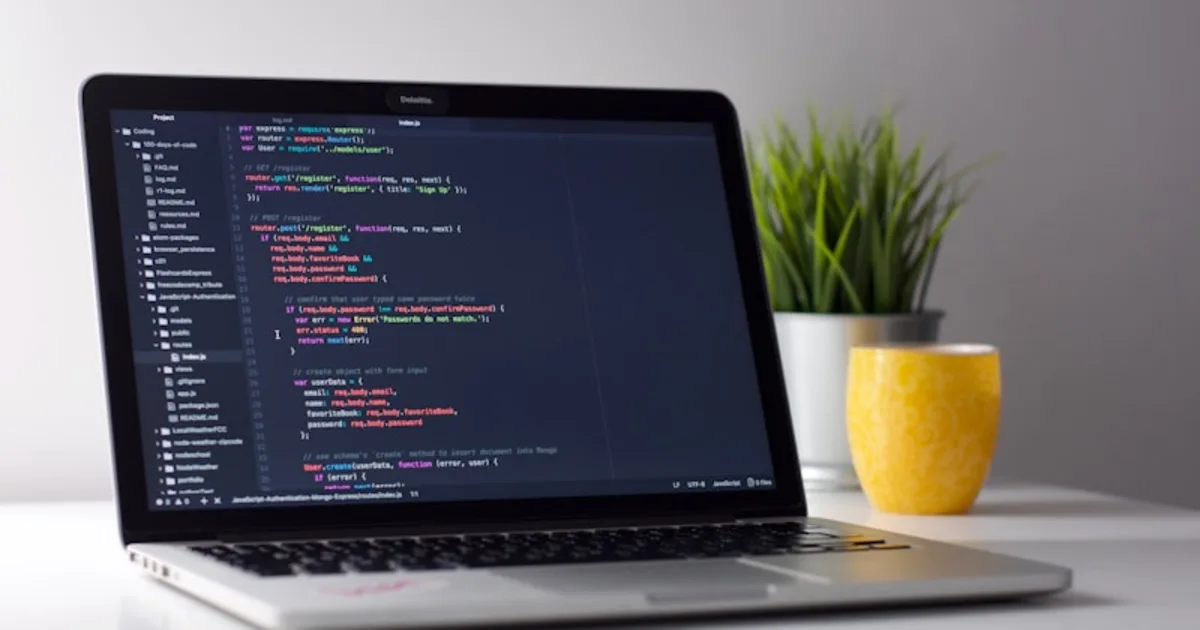
The Linux Foundation released Linux kernel version 7.0 on September 2, 2026, featuring a completely redesigned memory management subsystem called Horizon that delivers a 40 percent improvement in memory allocation efficiency for server workloads.
## Most Significant Kernel Architecture Change in Nearly Two Decades
Linus Torvalds, the creator of Linux, stated that Horizon represents the most significant architectural change to the kernel since the introduction of the Completely Fair Scheduler in 2007. The redesigned memory manager replaces the long-standing buddy allocator system with a multi-tiered allocation framework that dynamically adjusts page sizes based on workload characteristics.
"The Horizon subsystem fundamentally changes how Linux manages memory at scale," Torvalds wrote in the release announcement posted to the Linux Kernel Mailing List. "We have been developing this for three years with contributions from over 200 engineers across 35 companies."
The release includes native support for RISC-V architecture servers, enabling major cloud providers to deploy RISC-V-based instances for the first time. Amazon Web Services confirmed that it will offer RISC-V instances powered by kernel 7.0 on its Elastic Compute Cloud platform by early 2027. Google Cloud announced similar plans for its Compute Engine service.
## WarpFS and Confidential Computing Features
The new io_uring-based file system, called WarpFS, achieves 35 percent higher throughput than the existing ext4 file system for random read workloads, according to benchmarks conducted by Phoronix. WarpFS is specifically optimized for NVMe solid-state drives and incorporates built-in data integrity verification using checksumming at the block level.
"Traditional file systems were designed for spinning disks and carry legacy overhead that wastes performance on modern storage hardware," said Josef Bacik, lead developer of the WarpFS project at Meta. "WarpFS eliminates those compromises and delivers file system performance that matches the speed of contemporary NVMe drives."
The confidential computing features enable encrypted virtual machines that protect data even from the cloud provider infrastructure administrators. AMD confirmed that its EPYC processors with Secure Encrypted Virtualization can run fully encrypted virtual machines with less than 3 percent performance overhead under kernel 7.0, down from 8 percent in kernel 6.x.
Intel data center group VP Lisa Spelman stated that Intel 5th Generation Xeon processors achieve "near-native" performance for confidential workloads. "Kernel 7.0 makes confidential computing practical for production workloads, not just proof-of-concept deployments," Spelman said.
## Enterprise Adoption and Industry Impact
Red Hat CTO Chris Wright confirmed that Red Hat Enterprise Linux 11 will ship with kernel 7.0 as its foundation. "Our enterprise customers will see immediate benefits in cloud-native workloads, database performance, and containerized applications," Wright said. "We have been co-developing the Horizon subsystem with our engineering team since 2024."
Canonical CEO Mark Shuttleworth announced that Ubuntu 26.04 LTS, scheduled for April 2027, will be built on kernel 7.0 with WarpFS as the default file system. SUSE confirmed similar plans for SUSE Linux Enterprise Server 16.
Cloud performance benchmarks published by Microsoft Azure showed that virtual machines running kernel 7.0 achieved 28 percent higher transaction throughput for PostgreSQL database workloads and 33 percent lower tail latency for web serving applications compared to kernel 6.12. Google Cloud reported similar gains for its Kubernetes Engine platform.
The Linux Foundation noted that kernel 7.0 includes contributions from 4,800 developers representing 1,200 companies, making it one of the largest collaborative software projects in history.
Discussion
Recommended for you
More technology
Software
FBI Takes Down Tools Used by Chinese State-Sponsored Hacking Group QTFY
9/2/2026
Software
Linux Kernel 7.0 Released With Revolutionary Memory Management Achieving 40 Percent Performance Gain
9/2/2026
Software
GitHub Copilot X Now Writes 46 Percent of Code Across Enterprise Repositories
9/1/2026
Cybersecurity