How Artificial Intelligence Is Revolutionizing Patient Care and Transforming the Global Healthcare Industry in 2026 With Advanced AI-Powered Diagnostic Tools Personalized Treatment Plans Automated Administrative Systems and Machine Learning Algorithms Becoming Widely Adopted Standard Practice in Hospitals and Clinics Worldwide
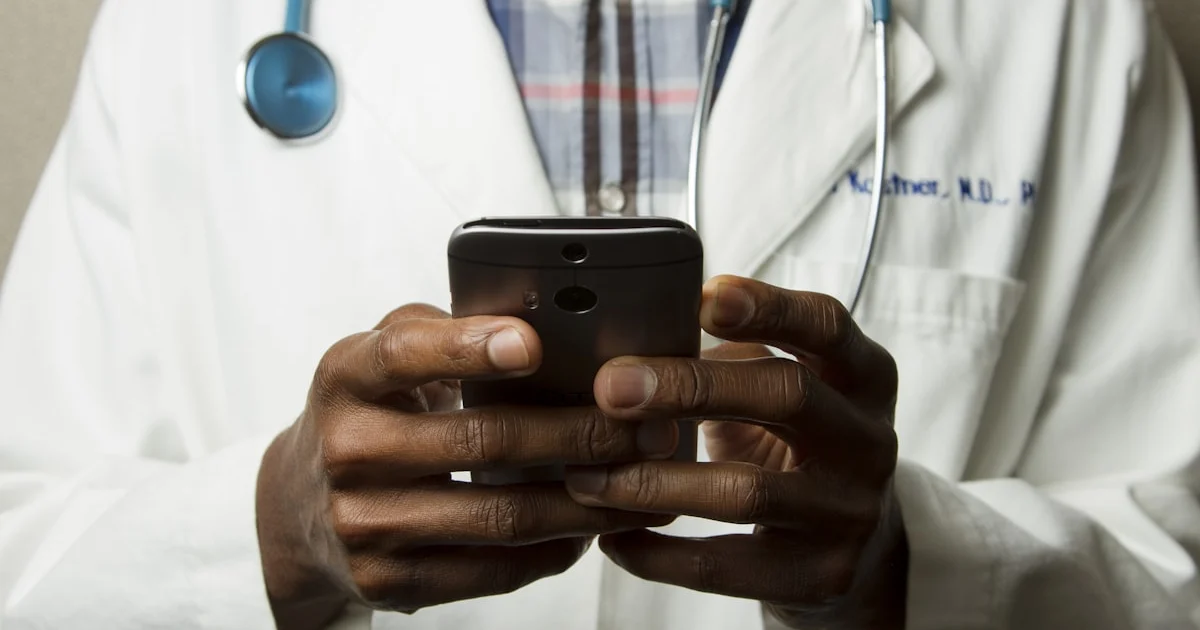
The healthcare industry is witnessing a seismic and irreversible shift as artificial intelligence moves from experimental pilot programs to mainstream clinical practice across hospitals, clinics, and research institutions worldwide. In 2026, AI is no longer a futuristic concept or a distant promise — it is an essential, deeply embedded tool that is fundamentally reshaping how doctors diagnose diseases, develop treatment plans, manage patient care, and deliver health services to communities around the world.
One of the most impactful and widely adopted applications of AI in healthcare is early disease detection. Machine learning algorithms trained on millions of medical images can now identify cancers, heart conditions, neurological disorders, and rare diseases months or even years before traditional diagnostic methods would catch them. A recent study published in the Journal of Medical AI found that AI-assisted screening programs reduced late-stage cancer diagnoses by an impressive 34 percent across participating hospitals in the United States and Europe.
These sophisticated systems work by analyzing complex patterns in medical scans that even experienced human eyes might miss or misinterpret. For example, advanced AI models can detect subtle changes in lung tissue on CT scans that indicate early-stage lung cancer, even when radiologists initially mark the scan as completely normal. Similarly, AI-powered retinal scans can identify early signs of diabetic retinopathy, glaucoma, and even cardiovascular risk factors before patients show any symptoms.
Every patient is biologically unique, and AI is making it possible to tailor treatments to individual genetic profiles, lifestyles, medical histories, and personal preferences with unprecedented precision. By analyzing vast datasets of patient outcomes spanning millions of cases, AI systems can now recommend the most effective treatment protocols for specific conditions, accounting for variables that would be impossible for any individual physician to process manually.
Pharmaceutical companies are also leveraging AI to dramatically accelerate drug discovery and development. What once took a full decade of intensive research and billions of dollars in investment can now be accomplished in a fraction of that time and cost. AI models predict with remarkable accuracy how different chemical compounds will interact with biological targets, allowing researchers to focus their efforts on the most promising drug candidates while eliminating dead-end pathways early in the process.
Healthcare workers across the globe spend an estimated 30 percent of their valuable professional time on administrative tasks that add no direct clinical value. AI-powered tools are now automating medical documentation, insurance claims processing, appointment scheduling, and regulatory compliance reporting. Advanced natural language processing systems can transcribe doctor-patient conversations in real-time and automatically populate electronic health records with structured, accurate clinical data.
This growing automation allows physicians, nurses, and other healthcare professionals to spend significantly more time on direct patient care and much less time on burdensome paperwork, directly addressing one of the leading causes of professional burnout and workforce attrition in the modern medical profession.
AI-powered wearable devices and home monitoring systems are enabling continuous health monitoring far beyond hospital walls. Smart watches, medical-grade sensors, and connected health devices can now detect irregular heart rhythms, dangerous blood oxygen level drops, and other critical vital sign changes, automatically alerting both patients and their doctors to potential health issues before they escalate into life-threatening emergencies.
Telehealth platforms enhanced with sophisticated AI triage systems can accurately assess patient symptoms and direct individuals to the appropriate level of care, reducing unnecessary emergency room visits and significantly improving access to quality healthcare services in underserved rural and remote communities worldwide.
Despite its enormous promise and rapid adoption, AI in healthcare continues to raise important ethical questions that the medical community, regulators, and society must address thoughtfully. Data privacy remains a paramount concern, as AI systems require access to highly sensitive patient information to function effectively. Ensuring that AI algorithms are completely free from bias — particularly across different racial, ethnic, and socioeconomic groups — is absolutely critical to providing truly equitable healthcare to all populations.
Regulatory frameworks around the world are evolving rapidly to keep pace with these technological advances. The FDA has now approved over 500 AI-enabled medical devices as of 2026, establishing comprehensive guidelines that carefully balance the need for continued innovation with the non-negotiable requirement for patient safety.
The integration of artificial intelligence into healthcare is still in its relatively early stages, but the progress made so far is truly undeniable and accelerating. As algorithms become more sophisticated, datasets grow larger and more diverse, and computing power continues to expand, the potential for AI to dramatically improve patient outcomes worldwide will only continue to increase.
Healthcare providers who embrace these transformative technologies today will be far better positioned to deliver the high-quality, efficient, accessible, and compassionate care that patients expect and deserve. The future of medicine is not about AI replacing doctors — it is about AI empowering doctors, nurses, and healthcare teams to provide better care than ever before possible in human history.
Discussion
Recommended for you
More technology
Technology
How Artificial Intelligence Is Revolutionizing Patient Care and Transforming the Global Healthcare Industry in 2026 With Advanced AI-Powered Diagnostic Tools Personalized Treatment Plans Automated Administrative Systems and Machine Learning Algorithms Becoming Widely Adopted Standard Practice in Hospitals and Clinics Worldwide
8/28/2026
Technology
AI funders pour capital into open-weight models this quarter
8/5/2026
Gadgets